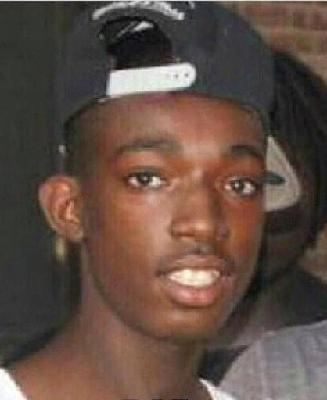
Richard J. Chambers, age 21, was fatally shot on December 22, 2016, in Chicago, Illinois. His death occurred amidst a particularly violent year for the city, which recorded over 750 homicides, making 2016 one of the deadliest years in recent history. The shooting took place during a time when Chicago faced a spike in gun-related violence, leading to a significant number of homicides, particularly in neighborhoods affected by poverty and crime.
In 2016, shootings accounted for the vast majority of homicides, reflecting broader issues related to gang activity, access to firearms, and systemic social challenges. The city's inability to curtail rising violence, despite increased police presence and community interventions, contributed to an atmosphere of fear and insecurity across multiple neighborhoods. Cases like that of Richard Chambers often went unresolved, emphasizing the challenges faced by law enforcement in improving public safety and solving violent crimes effectively.
Richard's death, like many others that year, underscored the urgent need for strategies to address underlying causes of violence, including poverty, lack of resources, and strained police-community relations. Chicago’s spike in homicides during 2016 continues to serve as a significant marker for understanding the complexities of urban violence in the United States.