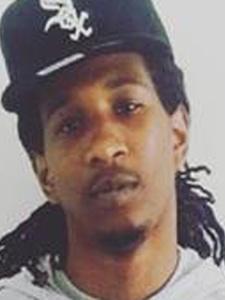
William Bustos, aged 20, was fatally shot on March 1, 2016, in the New City neighborhood of Chicago. His death took place during a particularly violent period in Chicago, as the city faced a dramatic spike in homicides throughout 2016. The homicide rate in Chicago that year was alarmingly high, with over 760 homicides, making it one of the deadliest years in recent history for the city.
This rise was largely attributed to escalating gun violence and conflicts involving gangs, which deeply affected neighborhoods like New City.
William Bustos's death is representative of the broader wave of violence that struck Chicago in 2016. The spike in homicides that year was tied to various factors, including changes in police practices, social unrest, and the reduction in violence prevention funding such as the suspension of state support for the "Cure Violence" program. This program, aimed at mediating conflicts and preventing violence, was part of a broader initiative to reduce the city's crime rate, and its defunding may have contributed to the overall increase in gun-related incidents. The year 2016 also saw fewer proactive policing activities such as "stop-and-frisk" measures, which some argue may have allowed more violent crime to occur without intervention.
Bustos's homicide, like many others in Chicago that year, underscores the need for sustainable solutions to combat violence in the city. Efforts to address the rise in crime were met with mixed success, and systemic challenges, such as limited access to economic opportunities and social services, continued to fuel a dangerous environment. The loss of young lives like that of William Bustos remains a poignant reminder of the ongoing struggles within Chicago's communities to achieve safety and stability amidst such persistent violence.