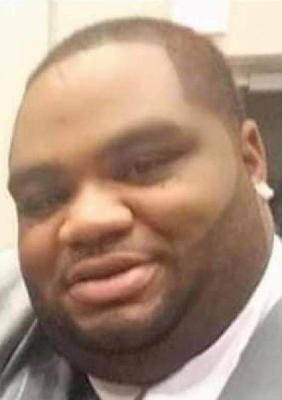
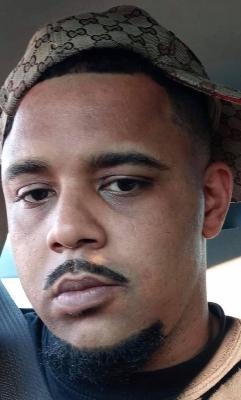
In the final days of a year that would be remembered as one of Chicago’s most violent in two decades, another life was abruptly taken. Matthew L. Herring, a 32-year-old African-American man, was shot and killed on the night of Wednesday, December 28, 2016, on the same block where he lived in the Washington Park neighborhood on the city’s South Side. His death was one of more than 760 homicides recorded in Chicago that year, a staggering figure that underscored a crisis of violence gripping many of the city’s communities.
Little has been shared publicly about the man Matthew Herring was—his work, his family, his passions, or the life he had built over his 32 years. His story is known primarily through the tragic circumstances of its end, a fate shared by too many victims of urban gun violence whose personal narratives are often overshadowed by the statistics their deaths become part of. What is known is that he was a resident of a community struggling under the weight of systemic issues that often fuel such violence.
The fatal encounter happened at approximately 9:45 p.m. in the 6200 block of South Indiana Avenue. According to Chicago Police, Herring was standing in front of a housing complex when at least one person approached him on foot. In a sudden burst of violence, the assailant opened fire, striking Herring multiple times. The shooter or shooters then fled the scene, disappearing into the night.
When police and paramedics arrived, they found Herring unresponsive. He had sustained multiple gunshot wounds to his body. Despite the efforts of first responders, Matthew Herring was pronounced dead at the scene. The Cook County Medical Examiner’s Office later confirmed his identity and ruled his death a homicide.
The investigation into the murder was handled by detectives from the Chicago Police Department's Area Central division. In the immediate aftermath, police processed the crime scene, searching for shell casings, surveillance footage, and any other evidence that might lead to a suspect. They canvassed the area for witnesses, hoping someone saw something that could help piece together the events that led to the shooting. However, details about a potential motive or persons of interest were never released to the public.
In the years since Matthew Herring’s murder, there have been no announced arrests or charges in the case. The investigation remains open but appears to have gone cold, another unsolved file in a city with a clearance rate for homicides that has long troubled community members and law enforcement alike. For his family and friends, the lack of answers or justice only compounds the pain of their loss.
The year 2016 was a period of intense focus on Chicago's gun violence, with the city experiencing a homicide rate not seen since the 1990s. The violence was heavily concentrated on the South and West Sides, in neighborhoods facing disinvestment, poverty, and cycles of conflict. Matthew Herring’s death was a stark reminder of the human cost of this epidemic, a personal tragedy that unfolded within a much larger public crisis. As of late 2026, his case remains unsolved, and no reward or specific tip line has been publicized in connection with his murder.