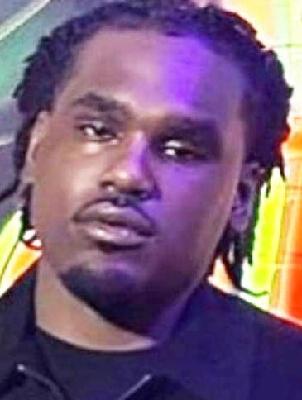
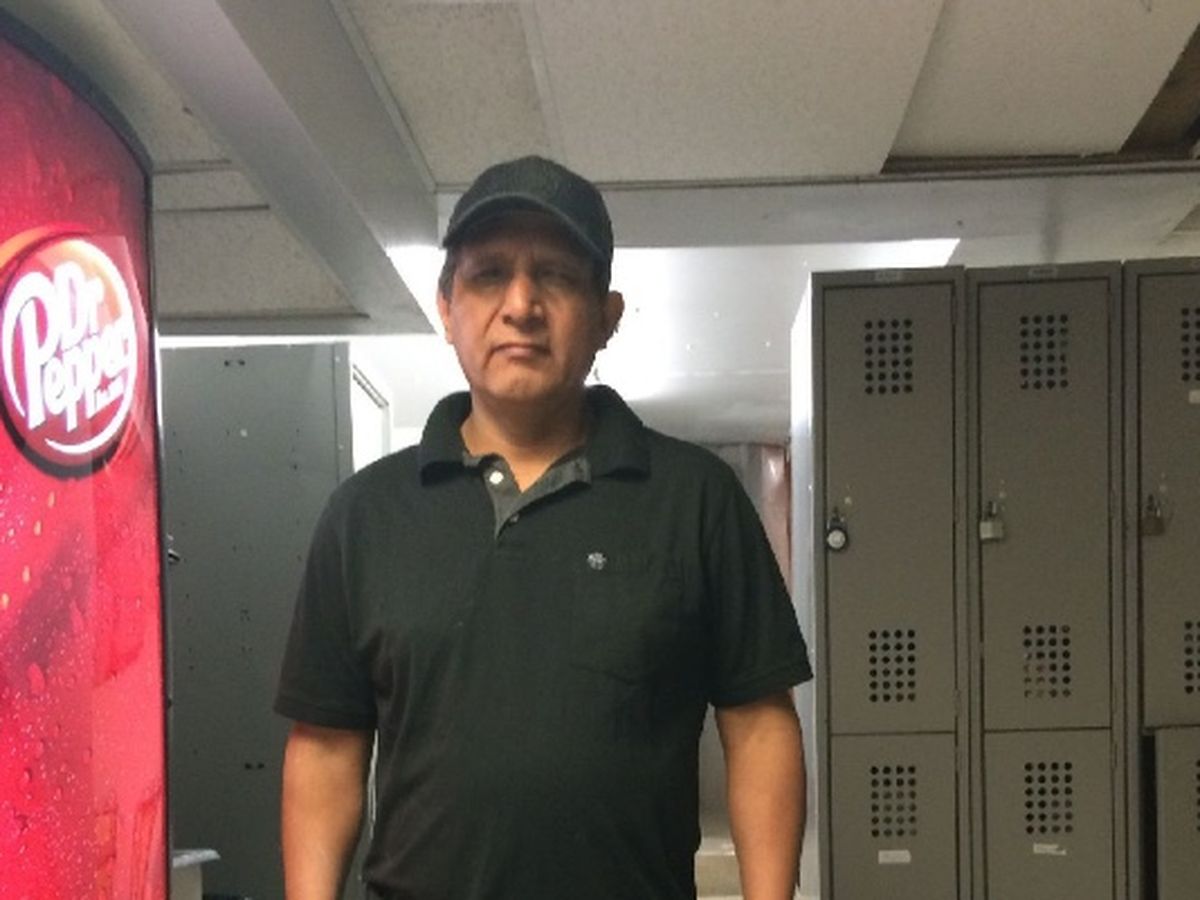
On December 8, 2017, Manuel Godinez, aged 35, was fatally shot in Chicago, Illinois. The incident took place in the New City neighborhood, an area known for its challenges with gang activity and gun violence. His death added to the troubling statistics of homicides in the city for that year, a period when Chicago continued to struggle with high levels of violent crime, though it was experiencing a slight decline from the extreme peak of 2016.
Manuel Godinez's homicide was part of a broader narrative of violence affecting Chicago's vulnerable neighborhoods, where systemic issues like poverty, gang disputes, and inadequate community resources often contribute to tragic outcomes. Despite some positive developments in lowering overall homicide numbers compared to previous years, Chicago was still contending with levels of violence well above national averages. Efforts by law enforcement and community initiatives aimed to curb these numbers, but the progress remained uneven, and the tragic losses continued to resonate deeply within affected communities.
The shooting of Manuel Godinez is a reminder of the complex environment within many Chicago neighborhoods, where community members face daily concerns for safety. The city’s response to such incidents often includes an increase in police patrols and outreach programs intended to prevent retaliation and promote long-term community safety, yet the challenges remain significant in ensuring these measures translate to lasting change across the neighborhoods most impacted by violence.