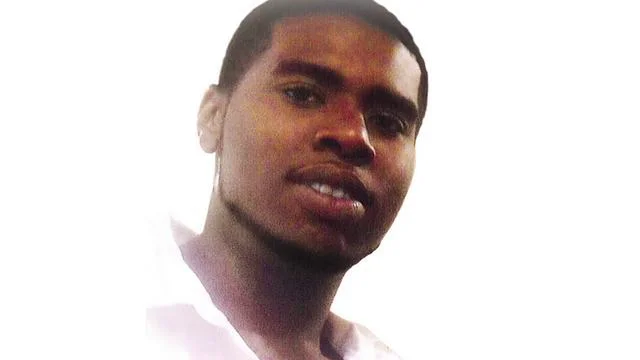
The homicide of Jorge G. Salvador, aged 86, in Miami on January 20, 2009, remains an unsolved case that has perplexed authorities for years. Salvador was found dead at his residence, and early investigations provided limited clues as to the circumstances of his death. Salvador lived alone, and his body was discovered by neighbors who had not seen him for a few days. The investigation revealed no signs of forced entry, but there were indications of a struggle inside the house, suggesting that Salvador might have been acquainted with his attacker or that the perpetrator had gained access without alarming the elderly victim.
The crime occurred amidst concerns that a series of incidents in Miami might have been related. Law enforcement noted similarities between Salvador's case and several other unsolved homicides in the Miami-Dade area during that period. These crimes involved older victims, and in some cases, the victims were targeted within their homes, raising fears of a potential pattern. Despite the investigation's extensive outreach for leads and attempts to connect these incidents, no significant progress was made in determining whether Salvador's death was part of a broader criminal activity or an isolated event.
The Miami Police Department has faced challenges in gathering new evidence, particularly since forensic technologies at the time were not advanced enough to provide definitive breakthroughs. The department has continued to seek information from the public, urging anyone with knowledge to come forward. In the years since the homicide, cold case investigators have revisited the evidence, hoping that advancements in DNA testing or other forensic methods might yield new leads, but as of now, the case remains open with no suspects officially identified. Salvador's death is one of many cold cases in Miami, reflecting the difficulties often faced in solving crimes involving vulnerable elderly victims, where witnesses and direct evidence are scarce.