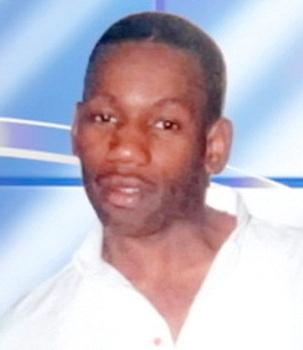
Do you know who murdered James Samuel Brown? James Samuel Brown, an African American man from Washington, DC, died on Monday, January 24, 2005, leaving behind a closely knit family who marked his passing in the quiet language of faith and remembrance. In the death notice that appeared in the Washington Post, he is remembered first as a father, named as the beloved parent of Jamie and Paris, and as the devoted son of James and Delores Brown.
The notice does not dwell on the circumstances of his final day; instead, it frames his life in terms of the people who stood around him, suggesting a man whose identity was rooted in family ties and in the everyday roles of son, brother, and father.
In the weeks after his death, the family prepared for a homegoing service that would bring relatives, friends, and members of the community together. The announcement invited mourners to gather on Tuesday, February 15, at The New Macedonia Baptist Church on Alabama Avenue SE, one of the city's long-standing congregations, with viewing beginning at 10 a.m. and the service at 11 a.m. After the church service, he was to be laid to rest at Lincoln Memorial Cemetery, a resting place named in the notice with the expectation that those who loved him would know the grounds and how to find his grave. In this simple sequence—church, prayer, burial—his family traced the final steps of a life lived in the capital.
The obituary situates James within a large extended family, listing his brothers and sisters by name: Mike, Greg, Stephanie, Sheila, Sylvia, Barbara, Estelle, Deborah, and Mildred. It notes that “a host of nieces, nephews, other relatives and friends” also survived him, a phrase that hints at gatherings that spilled beyond the immediate family circle into neighbors, church members, and co-workers. In the condolence messages left afterward, friends and family speak in the language of scripture and shared grief, offering sympathy to the Brown family and invoking the hope of comfort after sorrow, adding another layer to the portrait of a man whose loss was felt across multiple generations.
Publicly available records about his death focus on these arrangements and relationships and do not provide details about how he died. The death notice does not describe any violent incident, police investigation, or courtroom aftermath, and there is no mention of an arrest, suspect, or criminal case connected to his passing. What remains on the public record is a more intimate story: a Washington family gathering in a neighborhood church on a cold February morning, saying goodbye to James Samuel Brown in the steady rhythm of prayer, remembrance, and the shared duty of carrying his memory forward.