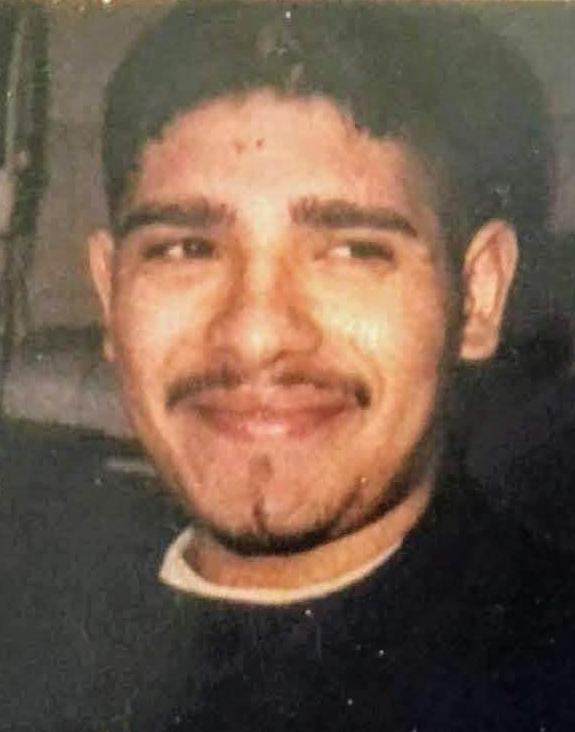
In the autumn of 2012, the life of Brian Barton Geddes, a 49-year-old White male from Garden City, Idaho, came to a tragic and violent end. Geddes, an independent car dealer and a cherished father and grandfather, was fatally shot in the back of the head on October 16, 2012. His absence went unnoticed for weeks, a period during which the person responsible for his death continued to live in his home, drive his car, and spend his money.
The grim discovery of his body, wrapped in a comforter and concealed in the crawl space beneath his own trailer home, would unravel a chilling story of deception and betrayal.
The investigation into Geddes's disappearance began after his concerned family, unable to reach him for an extended period, decided to check on him at his residence. There, they encountered a young woman, Jordan Marie Shaver, then 21 years old, who had been staying with Geddes. When confronted, Shaver fled the home. This suspicious behavior prompted the family to contact the police, who soon located and arrested Shaver in the parking lot of a Walmart. At the time of her arrest, she was in possession of Geddes's cellphone. The subsequent search of Geddes's property led to the heartbreaking discovery of his remains.
During the police investigation, Jordan Shaver provided multiple conflicting accounts of what had transpired. Initially, she claimed that Geddes was away on a gambling trip. She then altered her story, alleging that drug dealers had entered the home and shot him. Eventually, she admitted to her involvement, but characterized the shooting as an accident, stating that a handgun she had asked Geddes to fix had accidentally discharged as he was handing it back to her. However, the forensic evidence told a different story. The autopsy revealed that the gunshot wound was a contact wound, indicating that the gun had been pressed against the back of his head when it was fired, directly contradicting Shaver's claim of an accidental discharge from a distance.
Prosecutors contended that Shaver had taken advantage of Geddes's kind nature. His family described him as a man who was always willing to help others, and it was this generosity that seemingly made him a target. After killing him, Shaver assumed his life, using his belongings and communicating with his family via text messages from his phone to maintain the illusion that he was still alive. Shaver was ultimately charged with first-degree murder, robbery, grand theft, and failure to report a death. She later pleaded guilty to a reduced charge of second-degree murder and was sentenced to life in prison, with the possibility of parole after 20 years.