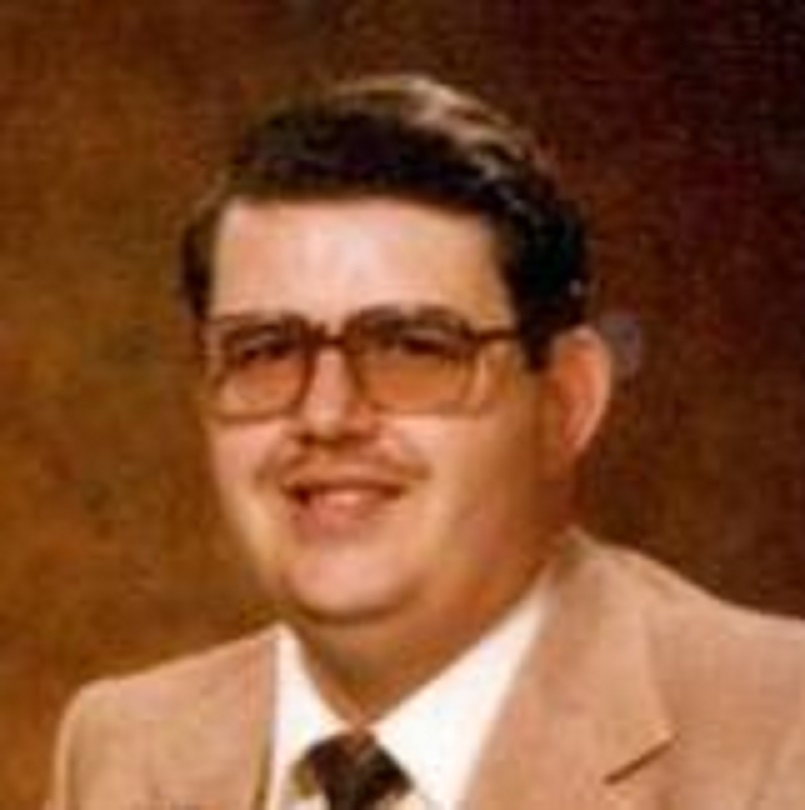
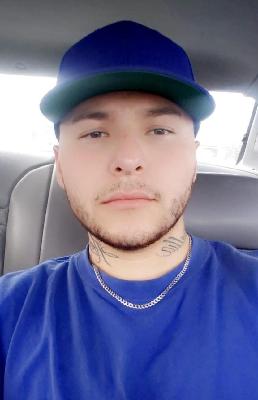
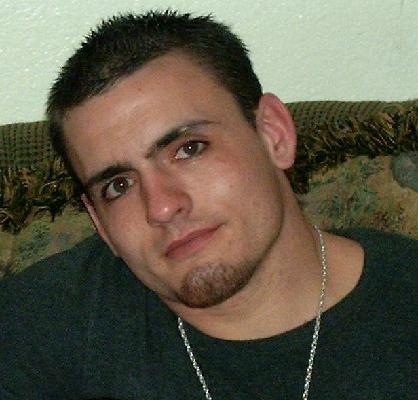
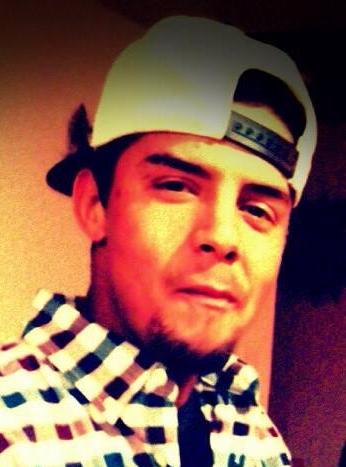
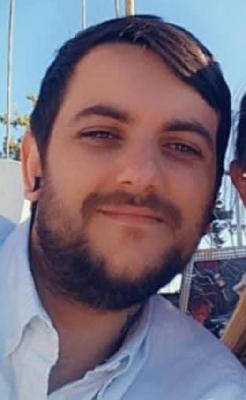
Akrian Evans, a 26-year-old White/Caucasian male from Nampa, Idaho, woke on March 14, 2015 expecting the day to be about his daughter, not about himself. It was her ninth birthday, and he spent those hours as a father first—celebrating, laughing, and watching her open presents, the kind of small domestic joy that anchors a life. Outside of that role, he was a journeyman plumber and a problem-solver who also hustled on the side by buying and selling wooden pallets out of the modest yellow
property he called home on Garrity Boulevard. Behind the house sat the RV where he lived, ringed by stacks of wood that drew a steady trickle of visitors looking for cheap material and small deals. To friends and family, he was a hands-on dad, a man who worked with his hands and shoulders and heart to give his child as much as he could.
That evening, when the birthday gathering wound down, he returned to the RV to meet with a man who had called about purchasing pallets. It was an everyday kind of arrangement for him: a stranger, a quick visit, a bit of cash in exchange for lumber that others had discarded. The roommate who shared the property saw the visitor arrive as she was heading out, a man who matched the loose, rough-edged world of small side jobs and cash deals. When she came back, however, the scene had shifted from ordinary to unthinkable. Evans lay dead inside his home, killed by a single gunshot. In minutes, the quiet stretch of Garrity Boulevard was drowned in the red-and-blue flash of patrol cars and crime-scene tape as officers moved carefully between the pallets and the RV, trying to piece together the final minutes of a day that had begun with candles and cake.
Detectives quickly focused on the unknown man who had come for pallets, releasing a composite sketch based on witness accounts. The image that circulated showed a white man of average build in his mid-thirties, long dark hair pulled back into a ponytail, scruffy facial hair, and fuller cheeks. He became the ghost at the edge of every news story and every conversation about the case, a stranger whose features were familiar enough to look like someone you might have passed in a parking lot or seen at a gas station. Police appealed again and again for tips, and Evans's father publicly offered a large reward, begging anyone with knowledge to step forward. For years the case remained cold, living on in the aching persistence of his family, in memorial posts and candles lit in his name, and in the memory of a father who never made it home from his daughter's birthday.
Time, however, did not mean the investigation stopped. Evidence from the scene was revisited as forensic science advanced, and the fragments left behind—traces, marks, and ballistic signatures—were examined with new tools. Nearly a decade after the shooting, Nampa police announced a breakthrough: 54-year-old Nampa resident Mark Adrian Neal had been arrested and charged with first-degree murder in connection with Evans's death. Investigators credited advancements in DNA and ballistics, combined with the long, methodical work of detectives, for finally giving them enough to move on the case. Neal, who had already been in the Canyon County Jail on unrelated charges, was re-booked on the murder charge, bringing the name behind the sketch into sharp, present focus for the family that had been waiting so long.
In the months that followed, the case wound through its first steps in the courts. At a preliminary stage, a judge heard the state's evidence and cleared the way for the case to move forward to District Court on the murder charge against Neal, finding there was sufficient cause to proceed. He has remained in custody on the homicide charge since June 2025, the legal process now catching up to the violence that shattered that evening in 2015. For Evans's loved ones, each court date and each filing is another difficult reminder of what was taken from them, but also a sign that the story is no longer frozen on the night he was killed. Instead, it is moving—slowly, painfully—toward the possibility of a verdict, and, they hope, some measure of justice for the father whose last day began in celebration and ended in silence behind a small RV on Garrity Boulevard.