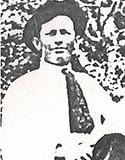
In the winter of 1919, the town of Fort Payne, Alabama, was forever changed by a violent encounter that resulted in the death of its Chief of Police, Beldon Napoleon Little. A 32-year-old White/Caucasian male, Chief Little was a married father of four who was known for his dedication to his duty. On the fateful day of February 26, he, along with Deputy Sheriff George Scott and the county sheriff, approached the residence of two brothers, aged 18 and 20, who were suspected of moonshining. The officers' attempt to enforce the law was met with immediate and deadly resistance.
Upon the lawmen's entry into the home, the two brothers opened fire. The sudden eruption of gunfire proved fatal for both Chief Little and Deputy Scott. In the exchange, the sheriff sustained injuries but managed to return fire, wounding both of the suspected moonshiners. The violent deaths of the two officers sent shockwaves through the community and left a lasting scar on the local law enforcement fraternity.
The aftermath of the shooting saw the two brothers facing the legal consequences of their actions. In 1920, they were both convicted of murder. One brother was handed a 50-year prison sentence, while the other was sentenced to 15 years. However, their legal battle was far from over. The Alabama Supreme Court later granted them new trials, during which a new defense narrative emerged. The defense team argued that the fatal shots that killed Chief Little and Deputy Scott were not fired by the brothers, but were instead accidental discharges from the sheriff's own weapon during the chaotic confrontation. This new argument proved to be persuasive. On February 24, 1921, one of the brothers was acquitted of the murder charges. The other brother was found guilty of a lesser charge, second-degree manslaughter, and served less than two years in prison. In a final, almost trivial legal footnote to the bloody affair, he was also fined one dollar for the original crime of violating prohibition laws.