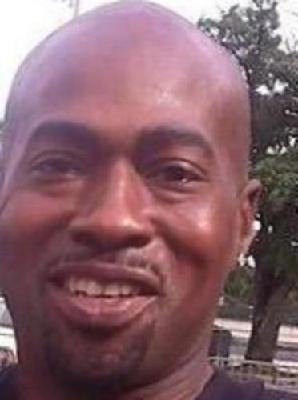
Albert Lewis McCracken, a 55-year-old man, died on August 1, 2015, after a fatal shooting in the Eight Mile area of Mobile County, Alabama. Publicly available online records about his death are surprisingly sparse, and that scarcity gives the case a quiet, unresolved feeling. The bare facts that do appear are consistent on the essentials: he was killed by gun violence that day, and his death was later marked in obituary notices that placed his funeral services at Whistler United Baptist Church,
with burial in Whistler Cemetery. The online memorial trail he left behind is brief, but it sketches the outline of a life rooted in the Mobile County community and a death that arrived suddenly.
What is missing from the public record is almost as striking as what remains. In the online sources that can still be readily found, there is no clear public accounting of an arrest, no named suspect, and no accessible court history tying anyone to McCracken’s killing. Some databases preserve only the fact of the shooting itself, without the kind of follow-through that usually comes with a solved case: no announced charges, no published trial, no conviction attached to his name. That leaves the story suspended in a painful place, with the violence itself recorded but the path to accountability left out of view.
His obituary notices add a human dimension that crime summaries never can. They show family and community preparing to gather, mourn, and lay him to rest just days after his death. In those remnants, the story shifts from a case file to something more personal: a man whose life ended violently, whose loved ones were left to carry the shock forward, and whose death, at least in the public online record, does not appear to have produced a documented arrest or publicly identified suspect. The result is a case that lingers more as an absence than a conclusion, with Albert McCracken remembered by name, date, and loss, but with the question of who killed him still not clearly answered in the sources available online.