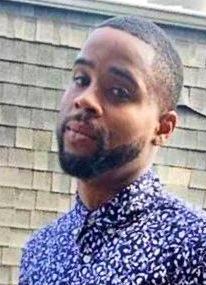
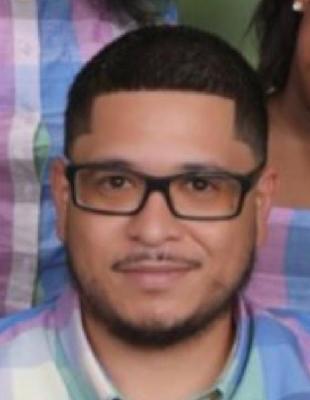
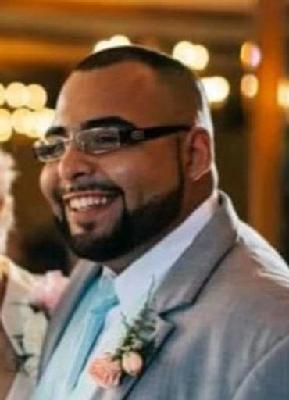
On the cusp of a holiday weekend, just two days before Christmas, the life of Octavio Galicia Rocha was tragically cut short in Houston, Texas. The 29-year-old Hispanic man died on Thursday, December 23, 2010, leaving behind questions that have lingered for more than a decade. Born on April 26, 1981, Octavio was in the prime of his life, but details surrounding the circumstances of his death have remained scarce, creating a painful and unresolved void for those who knew him.
The official record of what happened to Octavio Rocha is sparse, a common challenge in a city that contends with hundreds of homicides each year. In 2010 alone, Houston police investigated well over 250 killings. On the day of Octavio’s death, the Houston Police Department issued a news release about a man found deceased in the 2300 block of Nagle Street in the city's Third Ward, though authorities have not publicly linked that specific discovery to Octavio's case. Without witness accounts or detailed reports released to the public, the exact location, time, and manner of his death have not been shared, leaving only the certainty of the tragic outcome.
The investigation into Octavio's homicide was handled by the Houston Police Department's Homicide Division. In any such case, detectives typically process the scene for forensic evidence, canvass the neighborhood for potential witnesses, and explore the victim’s background to identify any possible motives. However, the trail in Octavio's case appears to have gone cold. No suspects have ever been publicly identified, no arrests have been made, and the specific details of the investigation have not been made public.
Years have passed without any resolution, and Octavio's death is now considered a cold case. The silence in the public record offers no comfort to his loved ones. Following his death, arrangements were handled by Advantage Funeral and Cremation Services in Houston, but the private grief of his family has been compounded by the public mystery of his unsolved killing. For families in these situations, the lack of answers can be an ongoing trauma, a wound that cannot begin to heal until justice is served.
The case of Octavio Rocha is a stark reminder that behind every statistic is a human story, a life lived and a future lost. His name is listed among the many unsolved homicides in Houston, a file waiting for the one crucial tip that could break the silence. The passage of time does not diminish the need for answers or the hope that someone, somewhere, holds the key to understanding what happened.
As of today, the investigation into the murder of Octavio Rocha remains open but inactive, pending new information. The Houston Police Department urges anyone with knowledge of this case, no matter how insignificant it may seem, to come forward. Information can be shared with the HPD Homicide Division or anonymously through Crime Stoppers of Houston, where a potential cash reward may be available for tips that lead to an arrest and conviction.