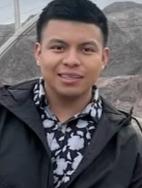
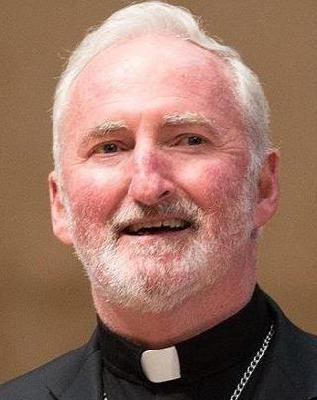
Shot during a ceremonial dance near Somes Bar. Another man was shot but did not die. Jury found suspect, Antone Richard Aubrey, 41, of Hoopa, not guilty.
On December 20, 1986, Greg Greenhalgh, a 30-year-old white male, was found stabbed to death on a punctured water bed inside his home on Beacon Street in Shasta Lake, California. The brutal nature of the crime shocked the community and left his family devastated. His mother, Shirley Greenhalgh, later described the loss as life-altering, stating, “I think about him every day.”
In the years following the murder, the case remained unsolved, despite ongoing efforts by law enforcement. In 1995, nearly a decade after the killing, Shasta County Sheriff's detectives arrested Thomas Elmer Brewster, a 42-year-old felon with a history of violent crimes and drug abuse. Detectives believed they had conclusive evidence linking Brewster to the crime, although they had long suspected him. However, after sitting in jail for two years, Brewster was exonerated during his 1997 trial. DNA evidence taken from a semen-stained blouse proved he was not the assailant. In a subsequent lawsuit, Brewster's attorneys alleged that detectives had coached a sexual assault victim to wrongfully identify him, leading to a $360,000 federal court settlement with Shasta County.
Despite this setback, the case of Greg Greenhalgh's murder remains open. His mother, Shirley, continued to seek justice, even purchasing newspaper advertisements on her son's birthday in hopes of generating new leads. However, as years passed without resolution, she eventually ceased these efforts, expressing a sense of resignation: “I guess they'll be free forever.”
The murder of Greg Greenhalgh is one of at least 57 unsolved homicides in the north state region of California, dating back to 1975. Law enforcement agencies, including the Shasta County Sheriff's Office, continue to face challenges in solving these cold cases, often due to limited resources and the passage of time. Advances in forensic technologies offer some hope, but many families, like the Greenhalghs, continue to wait for closure.