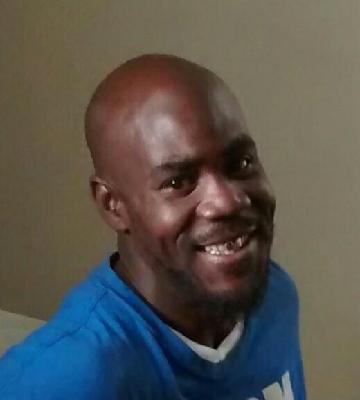
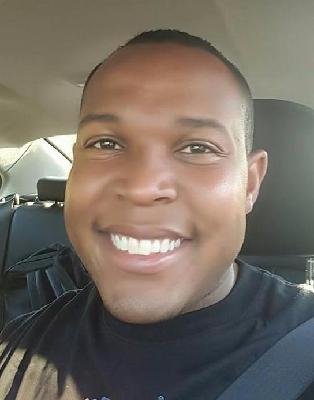
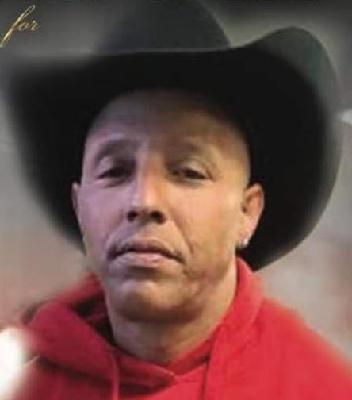
Kenneth Matthews, 50, was a Black man from Memphis, Tennessee. What’s been shared here is simple and heavy all at once: a life ended, a family and community left to carry the weight of that absence, and a name that deserves to be spoken with care.
Even when the details are few, a death is never small. It ripples outward—through the people who knew his voice, the places he moved through, the routines he kept, the laughter he brought into a room, and the quiet ways he may have shown up
for others. In Memphis, a city stitched together by neighborhoods, churches, front-porch conversations, and long memories, losing someone is not an isolated event. It becomes a before-and-after for the ones who loved him most.
Kenneth’s story, as it’s been provided, ends with the fact of his passing and not with the circumstances surrounding it. That missing context can be its own kind of ache. When people are left without answers—without the who, the why, the how—it can feel like standing at the edge of a locked door, hearing echoes on the other side. Grief is hard enough when it has facts to hold on to; it becomes even harder when it has to share space with uncertainty.
If there were moments of kindness in his life, they remain, even now, as part of his legacy—things remembered in fragments: a familiar gesture, a phrase he always used, a way he looked after someone when nobody else noticed. A person is more than a final date on a page or a line in a record. He was a whole world to someone, and that truth doesn’t fade just because the surrounding story hasn’t been told here.
No information has been provided about arrests, suspects, or any legal proceedings connected to his death. In the absence of those details, the safest thing to honor is what is known: his name, his place, and the fact that he mattered. Every life is a chapter in other people’s stories, and Kenneth’s passing would have left blank lines that loved ones have had to learn to live around.
What remains is the human part: the longing for clarity, the wish that someone spoke gently of him, the hope that his memory is treated with dignity. Kenneth Matthews should be remembered not only for the fact that he died, but for the life he lived before that—whatever joys and struggles it held, whatever bonds he formed, and whatever love he left behind in Memphis.