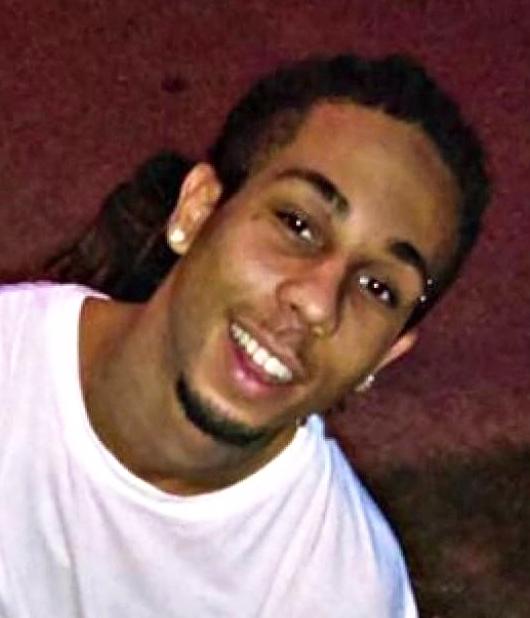
Mohamed Alkhater, 48, a man from Memphis, Tennessee, was killed on October 12, 2016, in a case that has remained officially unsolved for years. The publicly available record of what happened is strikingly thin, as if the story ends almost as soon as it begins: a death counted as a murder, a location pinned to a single address, and a case file that—at least in the information released to the public—does not yet name the person who did it.
The homicide was tied to the 4200 block of Overton Crossing Street in Memphis and the listed investigating agency is the Memphis Police Department. Beyond that anchor point, the details that usually fill in the human picture—how the attack unfolded, what weapon was used, whether there were witnesses, what investigators believe the motive might have been—are not provided in the same public-facing listing. Even the cause is not specified in the record, leaving the incident marked simply as a murder with key circumstances withheld or unavailable.
What is clear from the same sources is what has not happened: no suspect is publicly identified, and no arrest is recorded for Alkhater’s killing in the case status information. The suspect field remains “unknown,” and the case is categorized as unsolved, a label that quietly implies the long stretch of days, months, and years in which answers never arrived—or never arrived loudly enough to become part of the public narrative.
The case also appears in online cold-case aggregations that mirror the same grim essentials—his name, his age, the classification as murder, and the association with Memphis Police—without adding the missing scene-level facts or naming any person responsible. In the absence of an announced arrest or suspect, the only direction offered to the public is to contact Memphis Police directly with information, a reminder that the official file is still open and, somewhere behind it, investigators are still waiting for the one detail that makes a case move.