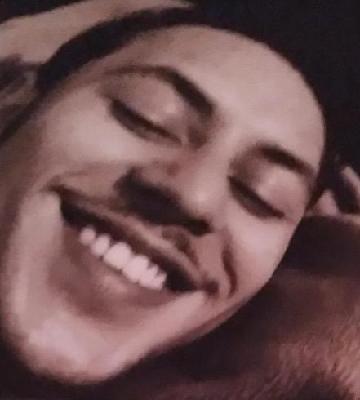
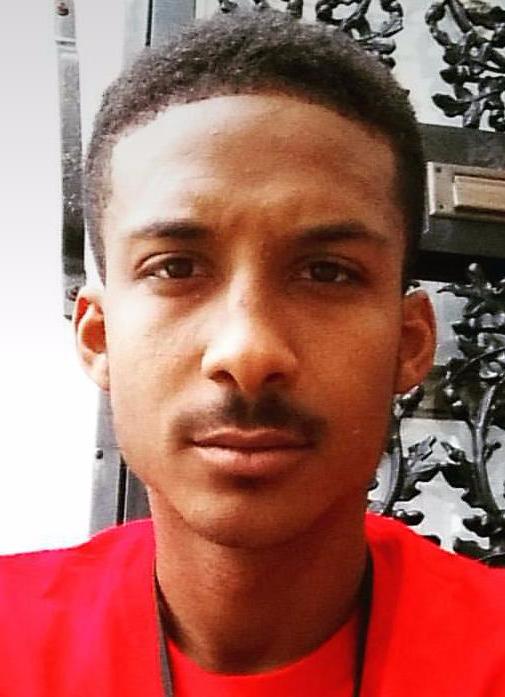
Rashine Gantt was 31 years old when his life ended in Philadelphia, Pennsylvania, on March 20, 2007. He was a Black male whose death became part of the city’s long and painful record of homicide victims, a record that often reduces people to dates, blocks, and case statuses, even though every name belonged to someone with a life, a history, and people who may have loved them.
His death was recorded on the 4700 block of North Marvine Street in North Philadelphia. Beyond that location and the date of his passing, the public information available about what happened to him is limited. There are no detailed public accounts describing the final hours of his life, no widely available narrative explaining where he had been earlier that day, what circumstances brought him to that block, or what events unfolded before he was killed. The lack of detail leaves a heavy silence around the case, the kind of silence that can be especially painful because it offers so little for family, friends, and the public to hold onto.
What is known is that Rashine Gantt’s death was treated as a homicide, and that his case was listed among the many killings Philadelphia endured in 2007. In a city facing deep struggles with violence, his name joined a tragic list of victims whose lives were cut short far too soon. But even when public records are sparse, the loss itself is not small. Rashine was not just a statistic or an entry in a database. He was a man who had lived 31 years, who had a name people knew, a face people recognized, and a place in the lives of those around him.
There is no public information indicating that anyone has been arrested for Rashine Gantt’s killing. No suspect has been publicly identified in the available case information, and there are no reported charges, trial proceedings, convictions, or sentencing details connected to his death. The case appears to have remained open, with no arrest made. That absence leaves the story unfinished, not only in a legal sense, but in an emotional one as well. For those who cared about him, unanswered questions may have lingered for years: who took his life, why it happened, whether anyone saw something, and whether justice would ever come.
Cases like Rashine’s can be especially heartbreaking because the public record preserves so little of the person and so much of the loss. His death is marked by a date, a place, and an unresolved status, but behind those few facts is the deeper reality of a life interrupted. Someone’s son, relative, friend, neighbor, or loved one was gone. The world moved forward, but for the people closest to him, March 20, 2007, may have become a day that never truly passed.
With no named suspect and no known arrest, Rashine Gantt’s homicide remains a story without closure in the public record. What remains is the memory of a man whose life ended at 31, the sorrow of a killing that left unanswered questions behind, and the hope that information may still exist somewhere among those who know what happened. His case stands as a reminder that unresolved homicides are not cold facts on a page; they are open wounds carried by families and communities still waiting for truth.