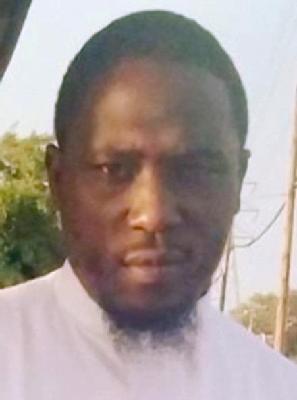
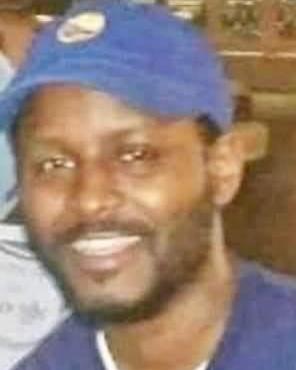
David Cohen, a 39-year-old Black male from Philadelphia, Pennsylvania, died on August 21, 2009, after a fatal incident on the 3100 block of West Diamond Street in Philadelphia. The available information does not reveal much about what happened in the moments before his death, but it places the end of his life on a North Philadelphia block that became part of the city’s homicide record that year.
His death was documented with only the stark details: his name, his age, the date, and the location where the violence occurred.
What remains especially painful about David Cohen’s case is how little of his story has been made publicly available. There is no detailed account explaining where he had been earlier that day, who he may have been with, or what led to the encounter that ended his life. The public record does not describe whether the shooting or assault came from a sudden argument, a planned attack, a robbery, or some other circumstance. It only shows that on August 21, 2009, David’s life was cut short on West Diamond Street, leaving behind unanswered questions and a silence that often surrounds older homicide cases when no further public updates are released.
Behind those few available details was a man who had lived nearly four decades, someone whose life cannot be fully measured by the brief entry that recorded his death. David was more than a name in a homicide database and more than one line in Philadelphia’s violent crime history. He was a person from the city, a man whose presence would have mattered to the people who knew him, whose routines, relationships, memories, and struggles were all abruptly interrupted. For those who cared about him, August 21, 2009, was not just another date on a public record. It was the day everything changed.
The location tied to his death, the 3100 block of West Diamond Street, became the place where his story entered the public record, but the record does not explain the grief that followed. It does not describe the calls his loved ones may have received, the shock that may have spread through family and friends, or the difficult realization that someone they knew was gone in a violent and irreversible way. In cases like David’s, the official information can feel painfully incomplete, because it captures the fact of death without capturing the weight of the loss.
No publicly available information identified any suspect or suspects in David Cohen’s death. There were no located reports of an arrest, charges, trial, conviction, or sentencing connected to his homicide. No public record found showed that investigators announced a named person of interest or that the case had been solved. That absence leaves his death in a difficult place, where the known facts are limited and the most important question remains unanswered: who was responsible for taking his life?
For the people who knew David, the lack of answers would likely deepen the grief. A homicide without a publicly known arrest can leave loved ones suspended between mourning and uncertainty, forced to live with the pain of loss while also carrying the burden of not knowing exactly why it happened or who caused it. Each year that passes can make the silence feel heavier, especially when there are no new public developments, no courtroom proceedings, and no clear moment of accountability.
David Cohen’s case stands as a reminder of how many lives are reduced in public records to a date and a location, even though every victim had a full human story before violence entered it. His death on West Diamond Street was not just an incident in Philadelphia’s 2009 homicide count. It was the loss of a man whose life had meaning, whose name deserves to be remembered, and whose death still deserves answers.