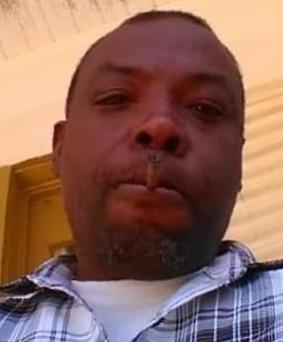
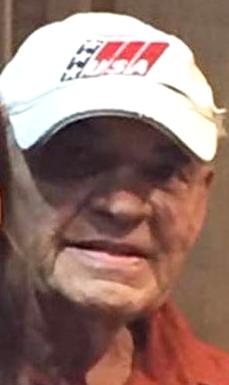
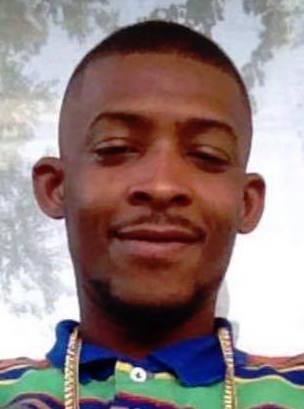
On November 3, 2009, Kenneth Eugene McReynolds, 52, a Caucasian/White male from Oklahoma City, was found among the dead after an early-morning blaze tore through a converted apartment building in southwest Oklahoma City. Neighbors and first responders described a chaotic scene as flames and smoke swept the narrow, older structure; three men were discovered lifeless inside while others in the complex escaped or were treated for injuries.
The building that housed the victims was a multi-unit conversion near S.W. 24th Street and Villa Avenue, and police initially reported that as many as nine people had been home when the fire was called in. Firefighters pushed through heavy smoke to search the units; crews later confirmed three fatalities — Kenneth McReynolds, Kevin Johnston and David Handley — and at least two people were hospitalized with injuries from the incident. In the days after the blaze, officials said they had not made any arrests and were working to identify the victims and contact relatives.
As investigators followed leads and evidence from the scene, the medical examiner ultimately ruled the deaths homicides and the department treated the case as an arson investigation. Police and fire investigators characterized the fire’s origin and spread as inconsistent with accidental causes, prompting a homicide determination months after the blaze; despite that determination, reporting at the time indicated no public announcement of arrests tied to the killings. The city’s arson unit continued to pursue forensic leads, interviews and any witness tips as the case remained under active investigation.
Outside of the investigation, McReynolds’s obituary and local remembrances painted a fuller picture of the man lost: born March 21, 1957, he was remembered by family and friends, survived by his wife and father, and remembered for years and relationships that stretched back through the Oklahoma City community. Those memorial notices provided personal details about his life and survivors that contrasted with the sudden, violent end investigators were then trying to explain.