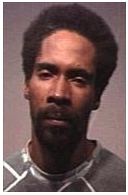
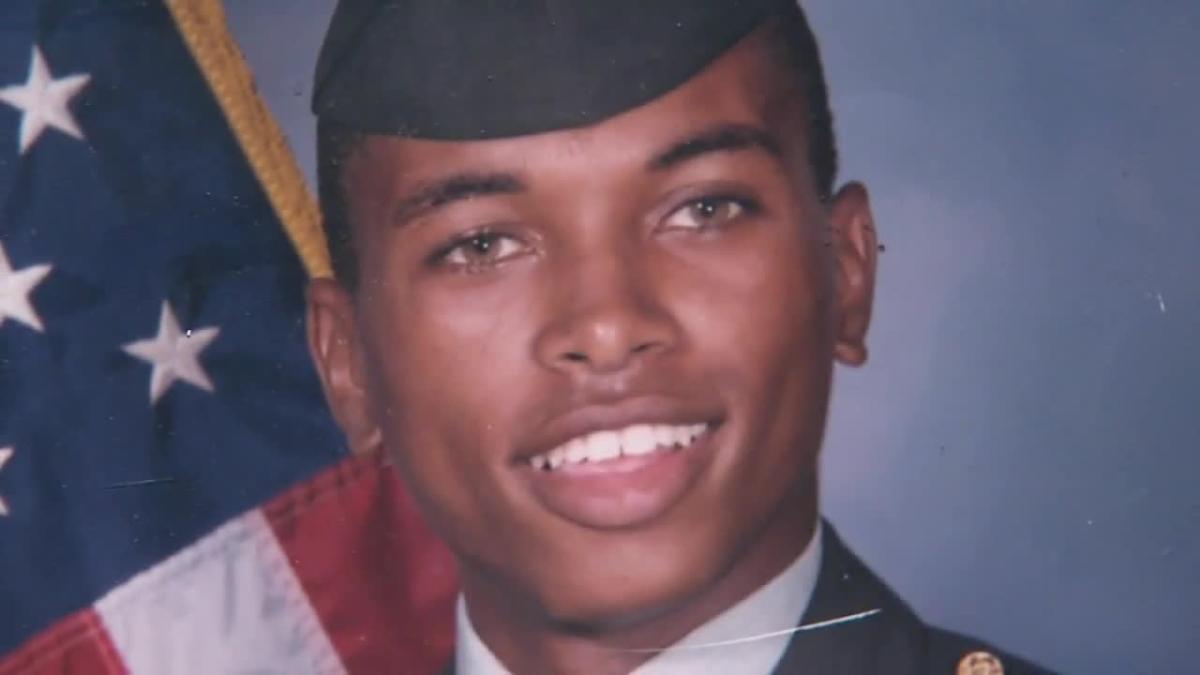
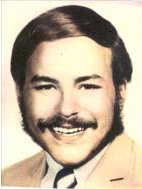
Christopher Tyler, a 31-year-old white male from Tulsa, Oklahoma, was first believed to be the victim of a sudden medical emergency rather than a crime. On April 3, 2015, he suffered what appeared to be a heart attack, and his collapse was initially treated as a natural event, the kind of tragic but ordinary loss that rarely leaves the confines of a family's grief or a hospital chart.
As authorities began to look more closely, however, a very different picture emerged.
In the hours before his medical crisis, Christopher had been involved in a domestic altercation with his brother, an encounter that was serious enough to draw the attention of investigators once the timeline of events was reconstructed. When the medical examiner reviewed the case in light of that confrontation, the physical stress and trauma from the altercation were determined to have precipitated the heart attack that ultimately claimed his life.
Christopher did not die at the scene. He was taken to a Tulsa hospital, where he survived for several days before passing away, his condition never recovering enough to turn the tide back in his favor. Only after his death and the completion of the medical examiner's report did officials move to change how his case was understood. What had begun as a presumed medical tragedy inside a family was formally reclassified as a homicide, shifting his death from the realm of private sorrow into the public record of violent crime. When the classification was updated, Christopher's case was recorded as Tulsa's 36th homicide of 2015, another entry in a year already marked by loss.
Despite the clearer medical and legal determination that force had played a role in his death, public summaries of the case do not describe any subsequent arrest or prosecution. They note the prior altercation with his brother as the event that set the fatal chain of circumstances in motion but do not indicate that the brother, or anyone else, was ever formally charged or publicly named as a suspect in court records or news accounts. In the information available online, Christopher's death remains a homicide without a publicly documented resolution, a case defined by a brief, violent family confrontation that ended in a hospital room and left unanswered questions about accountability lingering in its wake.