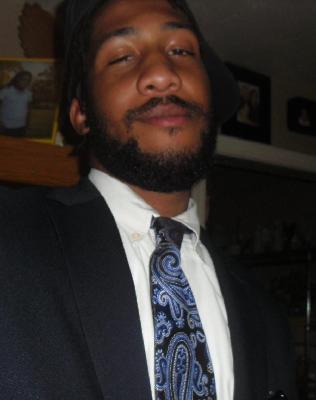
On the afternoon of April 6, 2015, 20-year-old Abraham Frayre, a male listed in records as being of “other” race, was at home with his family on Southwest 67th Street in southwest Oklahoma City when the ordinary rhythm of the day was broken in an instant. Their house sat in a quiet corner of the Hilcrest Heights addition, a secluded street where most neighbors had lived for decades and were used to watching out for one another.
The Frayre family, by contrast, was relatively new to the block and kept mostly to themselves, a detail that made what happened that day feel all the more jarring to those who later tried to make sense of it.
That Monday, sometime around 4:30 to 4:45 p.m., Abraham was inside the house with his mother and sister when trouble arrived. According to police and news reports, two men appeared at the home and entered, and what followed was a burst of violence contained within a few brutal moments. Abraham was shot inside the residence, while his mother was beaten badly enough that neighbors would later describe her as having been “beat up” when she ran for help. In the chaos, the assailants fled, and witnesses in the area reported seeing two Black males leaving in a newer model tan or beige sedan speeding away from the 2600 block of Southwest 67th Street.
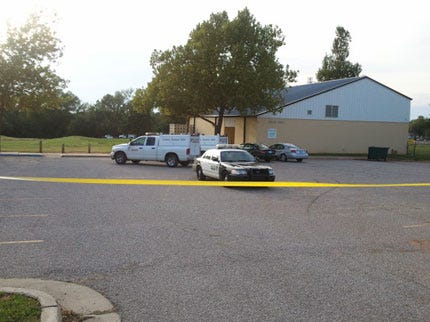
Next door, Chuck Morris and his wife had just returned from a weekend trip when they heard frantic screams and saw a neighbor race into their garage. She was shouting, panicked, and desperate to use a phone. Morris handed her his cell, and as she spoke to emergency dispatchers, he tried to piece together what was happening, only learning later that the woman had been attacked and that her son had been shot in their home just a few yards away from his front door. Within minutes, the quiet street transformed as patrol cars and emergency vehicles rushed in, lights flashing against the familiar houses and manicured lawns.
Officers responding to the assault-with-a-deadly-weapon call found Abraham inside the home suffering from a gunshot wound. Paramedics with EMSA rushed him to OU Medical Center, but despite those efforts he was pronounced dead at the hospital, his injuries too severe to overcome. His mother, though badly beaten, survived, left to grapple with the sudden loss of her son and the memory of those final, terrifying moments in their home. For neighbors who had watched the scene unfold from their porches and windows, the sight of the ambulance doors closing on the young man was a point at which their neighborhood would never feel quite the same again.
In the hours and days that followed, detectives canvassed the area, gathering what little information they could. Police told reporters they were looking for two men in a tan or beige sedan and that the descriptions provided by Abraham’s mother and sister were frustratingly vague. Some outlets described the crime as a home invasion, while one station later emphasized that investigators did not view it as a typical break-in but rather something more targeted. Neighbors, shaken by the brutality and by the fact that the family had seemed so removed from street life, voiced fears that the attack might have been drug-related, a rumor that echoed the sense that someone had specifically chosen that house on that afternoon.
Despite the early focus on the two suspects and their car, the trail appears to have grown cold. In the immediate aftermath, police confirmed there had been no arrests in connection with Abraham’s killing, and as the years passed, advocacy and case-tracking sites continued to list the homicide as unsolved, a lingering open wound in the city’s record of violence. The address on Southwest 67th Street is now cataloged in online databases as the scene of an unsolved homicide, and Abraham’s name appears on memorial pages dedicated to victims of gun violence, a reminder that behind the brief, stark headlines was a young man whose life ended in the place that should have been safest—his own home—and whose killers have yet to be brought to justice.