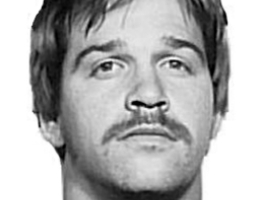
On February 11, 2008, 18-year-old Alonzo Dejesus Castro was shot and killed in San Diego, California. The incident occurred in a neighborhood struggling with gang-related violence, a trend that was prevalent in the region at the time. Castro’s death was part of a broader surge in homicides in 2008, with San Diego experiencing elevated rates of violent crime that year. As a young man of Hispanic descent, Castro’s homicide echoed the troubling statistics showing that Hispanic males were disproportionately represented among homicide victims in California during this period. Despite efforts by local law enforcement, including various gang intervention programs, solving such cases remained a challenge due to the complexity of the violence affecting many young men in urban areas.
Authorities continued to investigate Castro’s death, though many homicides in similar contexts remained unsolved due to factors such as witness reluctance to cooperate, fear of retaliation, and the pervasive influence of gang-related activity. This reflects the broader struggle San Diego and other California cities faced in curbing violent crime in the late 2000s.