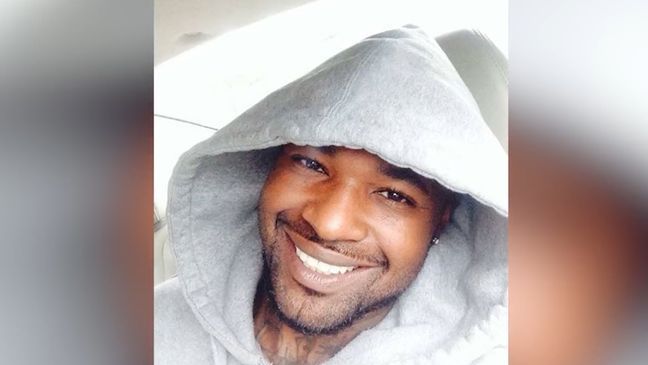
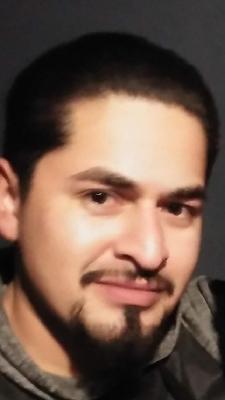
Christopher Smith was a 28-year-old man from Oklahoma City whose life ended violently on September 13, 2016, when he was found shot and killed in the city he called home. What began as an ordinary late-summer day became the point at which his story, as family and friends knew it, stopped and a criminal investigation began. In a year when violence was already weighing heavily on Oklahoma City, his death became one more life cut short by gunfire, another name added to a growing list of homicide
victims.
In the moments leading up to his killing, Christopher was involved in some kind of altercation, a confrontation that escalated instead of burning out and ended with him being gunned down. By the time police and first responders arrived, there was no chance to save him. The scene they encountered was not just another crime report but the aftermath of a split-second decision to pull a trigger, leaving behind only physical evidence, shell casings, and the stunned shock of those who loved him. For his family, the news that he had been shot to death on that September day was not just a headline but the moment their understanding of the world changed, shattered by the knowledge that someone out there had taken his life and walked away.
Detectives opened a homicide investigation, working to reconstruct the hours and minutes before Christopher was shot, tracing his final movements, interviewing witnesses, and trying to understand how a dispute had escalated into lethal violence. Yet despite those efforts, the case has remained unsolved, with no publicly reported arrests and no suspect or suspects formally identified in connection with his death. His killing sits among the many homicides that never reach a courtroom, where the person responsible has not been brought to justice and the official record still lists the perpetrator as unknown.
Christopher’s death unfolded against a backdrop of rising concern about violent crime. In 2016, Oklahoma law enforcement agencies reported 239 murders statewide, and while a majority were cleared by arrest or exceptional means, a significant share remained unresolved, leaving families like Christopher’s to live with unanswered questions. Oklahoma City itself saw dozens of homicides that year, most involving firearms, part of a broader pattern in which gun violence accounted for the majority of killings in the city. Within those statistics, Christopher is one person with a name and a story, not just a data point—a young man whose life ended in a burst of violence that still has no official resolution.
For his family and community, the years since have been marked by a quiet, enduring search for answers. Public records and open-source case summaries describe them continuing to seek justice, refusing to let his memory fade or his case become just another entry in an unsolved file. Each anniversary of his death marks another year without accountability, another reminder that someone, somewhere, knows more than they have told. Until an arrest is made and a suspect is held to account, Christopher Smith’s story remains suspended at the moment of his killing—an open wound in both his family’s history and Oklahoma City’s record of unresolved homicides.