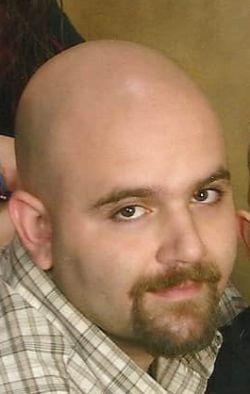
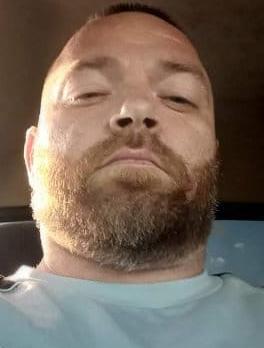
Anthony “Tony” John Felder Jr. was a 48-year-old man from the small town of Okeene, Oklahoma, where his name had long been woven into the rhythms of farm work, land surveying, and the dangerous pageantry of rattlesnake season. In Okeene and in the Felder family, snake hunting was not a novelty but a tradition, passed down like a family recipe. From the time he was a little boy, barely old enough to keep up with the adults, he followed his father into the red-dirt hills and rocky outcrops
where Western diamondbacks curled in hidden dens, learning how to spot them, catch them, and bring them home alive.
As an adult, Tony built a life that straddled two worlds: the precise, technical craft of land surveying and the rough, theatrical spectacle of the Okeene Rattlesnake Roundup. By trade, he was a self-employed land surveyor, the president of a small surveying firm that served his rural community. In the spring, though, that measured life gave way to the adrenaline and noise of the roundup, where hunters from all over converged on Okeene to compete, show off their catches, and put on demonstrations in the “Den of Death,” a pit crammed with live rattlesnakes and the people brave—or stubborn—enough to stand among them. The Felder clan became synonymous with that world; one relative was photographed barefoot in the snake pit, and reporters described rattlesnake handling as a family tradition, something learned by watching fathers and uncles perform the dangerous work.
Tony himself was no stranger to the risks. Years before his death, a feature story on the Okeene hunt noted that he had already been hospitalized multiple times for rattlesnake bites, yet he kept going back into the pits and out onto the rocky hillsides when the season rolled around. To friends and family, that persistence was part stubbornness, part joy; he loved the outdoors, the fellowship of the hunt, and the way the roundup let the community come together to raise money and awareness around rattlesnakes and safety. His family would later describe him as someone who lived life to the fullest “in all ways, the good and the ornery,” a man whose love of his wife and children sat side by side with his love of risk and open country.
The bite that ultimately took his life came while he was doing exactly what people in Okeene expected him to be doing: handling rattlesnakes in or around his hometown during the 2016 season. Reports say he was bitten by a rattlesnake in Okeene and, as in past scares, he was rushed for emergency care—but this time the circumstances were worse. He was airlifted to Integris Baptist Medical Center in Oklahoma City, the nearest major hospital capable of dealing with such a severe envenomation.
What followed was not a quick crisis but a long, exhausting vigil. According to his family, Tony spent roughly two weeks in and out of mediflights and the intensive care unit as doctors tried to fight the venom's damage. The same toughness that had carried him through earlier bites seemed, for a time, to be with him again; his relatives clung to hope while they watched monitors, signed medical forms, and tried to absorb the staggering cost of specialized care. But the venom had done too much. On September 12, 2016, in that Oklahoma City hospital far from the quiet streets of Okeene, Tony's body gave out.
In the days that followed, the focus turned from hospital corridors back to church pews and cemetery grounds. Obituaries and memorial notices recorded the bare facts of his life—his April 17, 1968 birthdate, the September 12 date of his passing, the funeral rites at St. Anthony's Catholic Church in Okeene, and his burial in Calvary Cemetery. Friends, fellow hunters, and colleagues in the surveying community swapped stories about his work, his humor, and his daring around snakes. Professional organizations honored him as a second-generation surveyor, while in Okeene the loss was felt just as keenly in the rattlesnake pits as in the survey lines he'd laid out across the countryside.
The financial toll of his long fight in intensive care was heavy, and his family turned to the community for help. A fundraiser organized by his son described a father who had died from a rattlesnake bite after weeks of struggle, leaving behind a wife, a son, and a daughter, and asking neighbors, friends, and strangers to help cover mounting medical expenses. It emphasized how much of his life had been bound up with the rattlesnake roundup—how he'd followed his own father into that world and then spent his adulthood raising rattlesnake awareness and money for charity through the same events.
Because Tony's death came from the venom of a wild animal rather than the act of another person, it was treated as a tragic accident rather than a crime. News accounts and public tributes describe medical responses, flights, and hospital care, but they do not mention a criminal investigation, suspects, or any arrests tied to what happened. One true-crime aggregation site would later list his name among “death by force” cases in Oklahoma City, reflecting the sudden and violent nature of his passing, but even there the entry provides no hint of a human assailant or ongoing police hunt—only an outline of an untimely death and an invitation for updates from the public. In the end, the story that remains is not one of suspects and arrests, but of a man whose lifelong dance with danger finally tipped against him, leaving a small town to mourn a surveyor, a snake hunter, and a father who died doing the thing he had always loved.