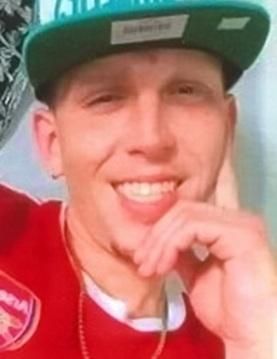
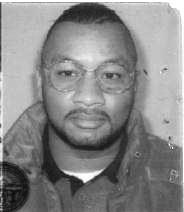
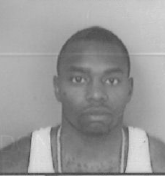
On December 21, 1976, Berne Davis, a 74-year-old security guard, was fatally shot during a robbery at the Ohio National Bank on East Main Street in Columbus, Ohio. Davis, who was working as a security guard at the time, was shot in the head by one of the robbers. He was rushed to Grant Emergency Room, but succumbed to his injuries shortly after arrival. This incident was part of a bank robbery where the assailants stole approximately $1,207 from the bank.
The case drew significant public attention, particularly due to its tragic nature right before the holidays.
Two men, Timothy Howard and Gary Lamar James, were quickly suspected and arrested following the crime. They were identified by eyewitnesses from a photo lineup. Despite presenting alibis—Howard claimed he was at home with his sister, and James had been at an optometrist with his girlfriend—the two were charged and subsequently convicted of Davis's murder in 1977. However, the case against them was largely based on circumstantial evidence and witness testimonies, many of which were influenced by seeing their photos in the newspaper after the crime. There was no physical evidence tying them to the crime, and the bank’s security camera was not functional on that day, leaving the case dependent on shaky eyewitness accounts.
Over the years, Timothy Howard and Gary James maintained their innocence. Their fight for exoneration eventually garnered support from Centurion Ministries, a non-profit organization dedicated to investigating wrongful convictions. After 26 years in prison, both men were finally exonerated in 2003 when new evidence came to light, highlighting police misconduct and flaws in the original investigation. The lack of physical evidence and problematic witness identifications were crucial factors that led to their release. The case serves as a notable example of wrongful conviction and highlights the fallibility of relying solely on eyewitness testimony in the absence of corroborative evidence.