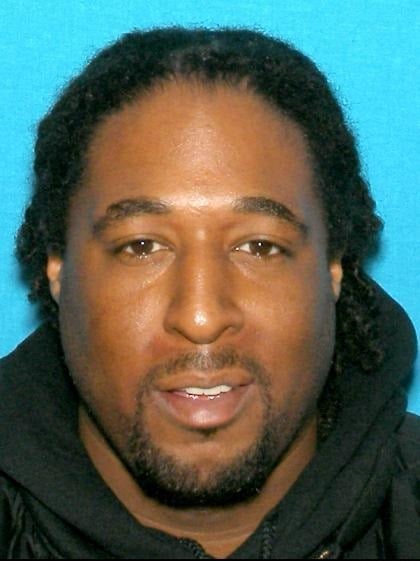
In the early morning hours of February 18, 2012, a life was tragically cut short in downtown Omaha, Nebraska. Mathew Voss, a 34-year-old African-American male, was fatally shot following a dispute at an after-hours party. The violence that erupted that winter morning not only claimed Voss's life but also resulted in the non-fatal shooting of another individual, Antonio Washington.
The incident prompted a swift police response, leading to the apprehension of a suspect fleeing the scene.
Witnesses at the party described a chaotic scene where two men were seen firing weapons. Amid the turmoil, one individual at the scene identified Tillman T. Henderson to a police officer as one of the shooters. This identification led to a foot chase, during which an officer witnessed Henderson discarding a gun under a vehicle. Upon his arrest, Henderson was found in possession of another firearm. Forensic analysis later confirmed that the bullets and casings recovered from the crime scene were fired from these two weapons. Further solidifying the case against him, a fingerprint on the discarded gun matched Henderson's, and DNA testing revealed that blood found on his clothing belonged to Mathew Voss.
The investigation into the motive behind the shooting uncovered a story of retaliation. It was revealed that both Mathew Voss and a friend of Henderson's, Jimmy Levering, had previously been incarcerated together in a Florida prison. During their time in prison, Voss had allegedly assaulted Levering by stabbing and punching him. The prosecution successfully argued that Henderson's actions on that fatal morning were a direct reprisal for this past altercation. Evidence supporting this motive included text messages from a cell phone found on Henderson, which indicated an attempt to meet up outside the party and referenced the individual who had stabbed "Jb," believed to be Jimmy Levering. The background of the phone's screen was a picture of Levering.
Tillman T. Henderson was subsequently charged and, following a jury trial, convicted of the first-degree murder of Mathew Voss. He was also found guilty of the attempted first-degree murder of Antonio Washington, along with two counts of use of a deadly weapon to commit a felony and possession of a deadly weapon by a prohibited person. His convictions were later affirmed on appeal, bringing a close to the legal chapter of this violent episode, though the loss for the family and friends of Mathew Voss remains.