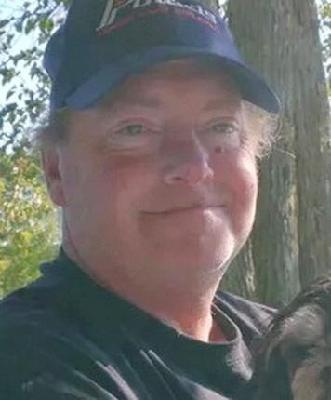
Who killed a disabled WWII vet in cold blood? In the quiet mobile home community on Lyndale Avenue South in Bloomington, Minnesota, a sense of unease began to grow among the neighbors of George Daniel Jensen. The 61-year-old Caucasian male, a veteran of World War II, was a familiar and well-liked figure, known for his kindness despite the physical limitations of a lame arm and leg that required him to use a cane.
When several days passed without a sign of him, two of his neighbors, concerned for his well-being, decided to check on him on the evening of Monday, November 19, 1979. What they discovered inside his home was a scene of horrific violence that would haunt the community and his family for decades to come.
George Jensen had been brutally murdered. The investigation, led by Bloomington Police Captain Charles Anderson, would uncover the chilling details of his final moments. Jensen had been bound with duct tape at his feet and a wire was found around his neck. He had been struck on the head multiple times with a heavy object, believed to be an ashtray, and had sustained more than a dozen stab wounds to his back and neck, several of which were lethal. The brutality of the attack stood in stark contrast to the peaceful man his neighbors knew, a man who lived alone and was remembered for his charitable efforts, including helping vulnerable individuals. The motive for such a vicious crime was not immediately clear, and the initial investigation left police with more questions than answers.
In the days following the discovery of the murder, investigators found Jensen's stolen 1977 Plymouth Volare abandoned at a downtown bus depot. While prints were reportedly recovered from the vehicle, this lead, like others, did not result in an immediate breakthrough. Police questioned several suspects in the initial phase of the investigation, but no arrests were ever made, and no specific suspect was publicly named. The case grew cold, leaving a lingering sense of injustice and fear for his four children and the community.
Decades later, the murder of George Jensen remains unsolved, a painful cold case for his family. They have continued to advocate for justice, creating a petition to encourage the Bloomington Police Department to reopen the case and utilize modern forensic technology. Their efforts have also contributed to proposed legislation aimed at helping the families of cold case victims in Minnesota receive updates and ensure that their loved ones' cases are not forgotten. The family holds onto hope that new DNA testing, which the Bloomington Police Department is reportedly exploring for several cold cases, may finally shed light on who was responsible for the violent death of a kind and disabled veteran over four decades ago.