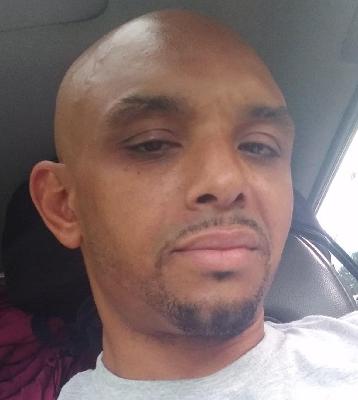
In Minneapolis, Minnesota, the life of Victor Argente Rosenbloom, a 20-year-old African-American male, came to a tragic end on March 3, 2011. His death, however, was the final chapter of a story that began nearly five years earlier. In 2006, at the age of 16, Rosenbloom was walking with his girlfriend in South Minneapolis when he was caught in the crossfire of a shooting. A bullet struck him in the neck, and while he survived the initial attack, the injury left him paralyzed.
For the next four and a half years, Rosenbloom lived with the devastating consequences of that day. He required a respirator to breathe and learned to operate a voice-recognition computer and a head-controlled wheelchair. His daily life was one of constant care, needing assistance to be moved, fed, and bathed. Despite the challenges, he persevered until complications from his injuries ultimately led to his death. The Hennepin County Medical Examiner officially ruled his death a homicide, a direct result of the gunshot wound he sustained years prior.
The man responsible for the 2006 shooting, Frankie Tyson, was arrested and, in June 2007, found guilty of first-degree aggravated assault. For his crime, he was sentenced to 100 months in prison. At the time of Rosenbloom's death in 2011, Tyson was still incarcerated. In the wake of the homicide ruling, the Hennepin County Attorney's Office began a review of the case to determine if new charges, including murder, could be brought against Tyson.
The prospect of a murder charge, years after the initial conviction, presented legal complexities. The significant time that had passed between the shooting and Rosenbloom's death was a potential hurdle for prosecutors. Despite the family's desire for what they would see as full justice, the Hennepin County Attorney's Office ultimately decided not to file new charges against Frankie Tyson. He completed his sentence for the assault and was released. No further arrests were made in connection with the death of Victor Argente Rosenbloom.