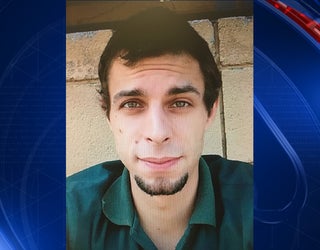
Allen Thomas, 30, was a Black man from Detroit, Michigan, and on May 5, 2011, his life was taken on a city street at an address that still reads like a frozen moment in time: 6170 Avery. A date on a calendar, a house number on a block, and a name that should have been followed by years—by ordinary mornings, noisy evenings, and the quiet, familiar routines that make up a life.
Instead, the record stops there, leaving a sharp, aching edge where the story should continue.
Detroit is a place built on resilience, on families and neighbors who learn to hold each other up when the world gets heavy. In that kind of city, loss doesn’t stay contained to one person. It spills outward—into the people who loved him, the corners he knew, and the streets that remember footsteps long after they’re gone. The fact that the location is known so precisely makes it harder to look away. It wasn’t “somewhere.” It was there. On Avery. Right where the world kept turning even as someone’s world ended.
The investigation that followed was tied to the Detroit Police Department in Wayne County, and the case is documented as a murder. Those are official words—clean, clipped, and procedural—yet they carry the weight of something irreversible. “Murder” is not just a label; it means there was intent, there was violence, and there was a moment when Allen could not be brought back. It means the people who cared about him were left with questions that don’t fade just because days do.
And then comes the part that hurts in a different way: the silence around who did it. The suspect is listed as unknown. The case remains unsolved. No arrest is publicly recorded, no charges laid out, no courtroom answers, no conviction to mark a turning point. That kind of uncertainty has its own gravity. It leaves a family suspended between grief and waiting, replaying the same thoughts—Who was there? Who knows something? What was seen, what was heard, what was missed? It turns every detail into a thread that might lead somewhere, and every dead end into another wound.
Unsolved cases don’t just sit in files. They live in the spaces where people still speak a name, still feel the emptiness at the table, still pause when a memory surfaces without warning. Time moves forward, but it doesn’t neatly carry pain away. It can sharpen it, because the longer the question remains unanswered, the more it begins to feel like the world is asking those left behind to endure the impossible: to accept the unexplainable without explanation.
If someone holds a piece of the truth—something small, something they once thought didn’t matter, something they’ve carried in silence—the path to justice can start with a single act of courage. Anyone with information about Allen Thomas’s death has been directed to contact the Detroit Police Department at 596-1800. A call can’t rewrite what happened on May 5, 2011, but it can help finish what was left unfinished. It can bring a name to the unknown, accountability to the unanswered, and a measure of peace to a story that has been forced to remain open far too long.