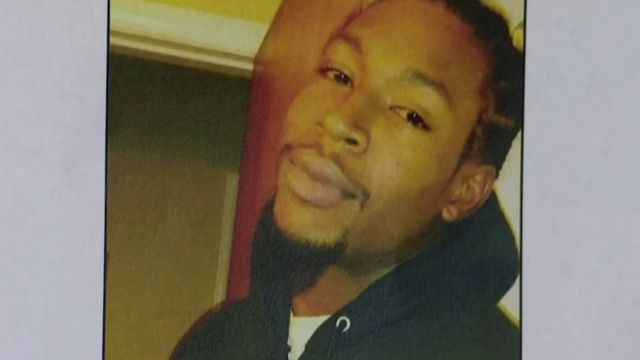
Brandon Carter was a 30-year-old from Detroit, Michigan, whose life ended in a killing that is recorded among the city's long list of 2012 homicides. On May 21, 2012, his name appears in a community-compiled ledger of Detroit murder victims, paired with an address on Webb Street and a brief notation that offers little more than a date, an age, and a location. In that sparse entry, he is one line in a year when Detroit saw hundreds of lives cut short, each victim represented by a few words and numbers that stand in for a story much larger than the record can hold.
The address tied to Brandon Carter's death, 7159 Webb Street, sits in a west-side neighborhood of older single-family houses, built in the early decades of the 20th century and later battered by the economic turmoil that reshaped Detroit. The home itself is a modest four-bedroom, one-and-a-half-bath structure from the 1920s, the sort of house meant for families and everyday routines: kids on porches, neighbors moving in and out of driveways, the slow rhythm of a residential block. Public real-estate records show it changing hands in the years since, sold again in 2024, the transaction data making no mention of the killing that once brought detectives, crime-scene tape, and flashing lights to its front steps.
In the homicide list that preserves his name, Brandon Carter's entry carries a small but telling detail: a reference to the 1-800-SPEAK-UP tip line and a reward of up to $2,500. Other victims on that same page have notes indicating that suspects were identified and charged, with names of alleged perpetrators carefully recorded beside the dead. By contrast, Carter's line contains no such notation—only his age, the address on Webb Street, and the reminder that money was being offered for information. The presence of a standing reward alongside the absence of any named suspect paints a picture of a case that, at least at the time that list was compiled, remained unsolved and in need of leads from the community.
The broader context of Detroit in 2012 adds a somber frame to his story. That year, the city endured 386 homicides, a toll that strained both law enforcement and the neighborhoods most affected. The homicide list that includes Brandon Carter was created not by officials but by local crime trackers and community members trying to make sure that the dead did not vanish into statistics. Each entry, including his, links outward to potential news articles, memorials, or reward notices where they exist, an effort to stitch together fragments of public information into a more complete record of loss.
What emerges from those fragments is a hauntingly incomplete story. Brandon Carter is present on the public record mainly as a victim's name, a date, an age, and a street address. There are no widely accessible reports that describe in detail how the confrontation that ended his life began, who witnessed it, or what theories investigators pursued afterward. No public court records or news accounts readily connect his name to an arrest, a suspect, or a trial; unlike other homicides from that year that have documented prosecutions, his case appears to have left no such trace in the sources that remain easy to find. Instead, his memory survives in a community spreadsheet of the dead and in the quiet note of an unclaimed reward, suggesting that those responsible for his death were never brought publicly to justice and that, for his family and community, crucial questions about what happened that day on Webb Street remain unanswered.