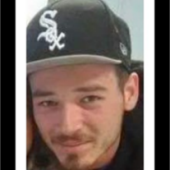
A heavy silence hangs over the story of Karl Taylor, a 20-year-old Black man whose life is noted to have ended in Detroit, Michigan, on a cold Tuesday, December 11, 2012. Despite the passage of time, the digital ether and public records offer no echo of his final day, no narrative of the circumstances that led to his death. His name does not appear in the chronicles of a city that was grappling with a surge in violence, a year that saw the highest number of homicides in two decades.
That year, 2012, was a particularly grim chapter in Detroit's history, with the weight of 386 criminal homicides pressing down on the city. Each of these deaths left a void, a story cut short. Yet, Karl Taylor's story remains untold in the public domain. There are no news articles detailing an investigation into his death, no public pleas from a grieving family, and no mention in the lists of unsolved cases seeking the public's help. His existence on that December day seems to have been recorded without public detail, a name and a date in a record without a story for the world to see.
The streets of Detroit, a sprawling metropolis with a rich and complex history, hold countless stories. In 2012, the city was navigating a difficult period, with a shrinking population and economic challenges that were reflected in its crime statistics. The Detroit Police Department was dealing with an overwhelming number of violent crimes, and despite their efforts, many cases went cold, leaving families in a perpetual state of uncertainty.
For the families of victims of violence, the silence that follows an unsolved case can be as painful as the initial loss. Memorials, fundraisers, and media appeals often serve to keep a loved one's memory alive and can be crucial in generating new leads for investigators. In the case of Karl Taylor, the absence of such a public footprint leaves a profound sense of emptiness. The narrative of his life—who he was, his aspirations, the people who loved him—remains in the private memories of those who knew him.
More than a decade has passed since Karl Taylor's death, and the case, as it appears in the public record, is a stark and solitary fact. Without witnesses speaking out, without new evidence coming to light, the story of what happened on that winter day in Detroit remains a closed book. The city has moved on, its landscape and its homicide statistics have changed, but for those to whom Karl Taylor mattered, the lack of answers undoubtedly leaves a wound that has not healed. The official record may hold his name, but his story, for now, is lost to the silence.