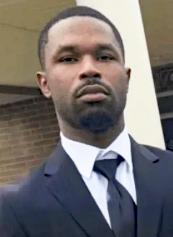
In the winter of 2013, the city of Detroit was in the grip of a relentless wave of violence. On February 10th of that year, this grim reality struck another family when Andre Cain, a 43-year-old African-American male, was discovered deceased. The specific circumstances surrounding how he was found and the nature of his death have not been publicly detailed, leaving a painful void for those who knew him. His case quickly became one of the many unsolved homicides that plagued the city, a statistic in a year that saw 332 individuals lose their lives to violence in Detroit.
In the years that followed, progress in bringing anyone to justice for Andre Cain's death has been elusive. The investigation was hampered by a familiar challenge in many of the city's homicide cases: a lack of substantial leads and the reluctance of potential witnesses to come forward with information. This scarcity of new evidence meant that the initial investigation eventually grew cold, leaving more questions than answers. The case file was subsequently turned over to the Detroit Police Department's Cold Case Unit, a specialized team tasked with re-examining unsolved homicides in the hopes that fresh eyes or advancements in forensic technology might uncover a path to resolution.
Despite the passage of time, the case of Andre Cain remains open, a lingering testament to the deep impact of unsolved violence on a community. For his family and friends, the absence of closure is a persistent ache. There have been no arrests made, and no suspects have been publicly identified in connection with his death. His story is a somber reminder of the many individuals whose final chapter remains unwritten, their cases waiting for the one piece of information that could finally lead to justice. The efforts to solve his and other cold cases in Detroit continue, a quiet and determined search for answers in the face of daunting odds.