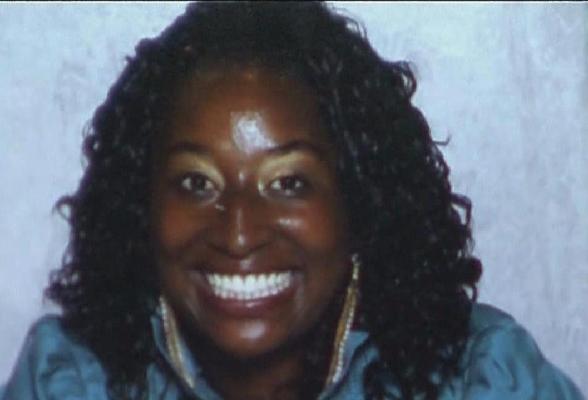
Sandra Davis died on April 6, 2025, after firefighters and police responded to a vehicle engulfed in flames in an alley near 30th and Milford on Detroit’s west side. When the fire was put out, investigators discovered three victims inside the burned-out vehicle: Davis, her daughter Kourtney Davis, and Kourtney’s 9-year-old child, Ayva Sutton.
As detectives began piecing the scene together, authorities said the fire appeared to be the final act in a much more violent attack.
Investigators publicly described a brutal sequence: the two adult victims were believed to have been shot, while the child suffered a sharp-force injury before the bodies were left in the vehicle and the vehicle was set ablaze, an apparent attempt to destroy evidence and erase what happened.
The deaths ripped through the family with a shock that sounded almost unreal in the first interviews that followed. Relatives described growing dread when calls and messages went unanswered, and the fear turned to certainty when images of a burned vehicle surfaced and the names of the victims began to circulate. In the aftermath, loved ones spoke about a household that had been doing something ordinary—watching children, keeping them safe—before everything collapsed into a nightmare.
Police identified a suspect early in the investigation as Edward Redding, described in reporting as Kourtney Davis’s ex-boyfriend. Officers said the victims were the suspect’s ex-girlfriend, her mother, and her young relative, and the case was treated as an intensely personal crime rather than a random act—one that investigators believed unfolded quickly and then moved into concealment when the vehicle was torched.
Redding was arrested later that same day after a pursuit that authorities said involved a vehicle chase and a foot chase, ending with his capture after he fled from police. While homicide charges had not been announced in the early updates, prosecutors pursued other counts tied to the escape from police, and federal authorities filed a firearms case alleging he illegally possessed a gun as a felon—charges that put him in custody while the homicide investigation continued.
As the investigation played out in public view, the community gathered in grief—neighbors and friends holding vigils and speaking the victims’ names aloud, trying to reconcile the horror of what was found in that alley with the lives that had filled their days before April 6. The case, described by officials as one of the most disturbing scenes they had encountered, remained centered on the same question that hung over every memorial: how something so deliberate could happen to a family so close to home.