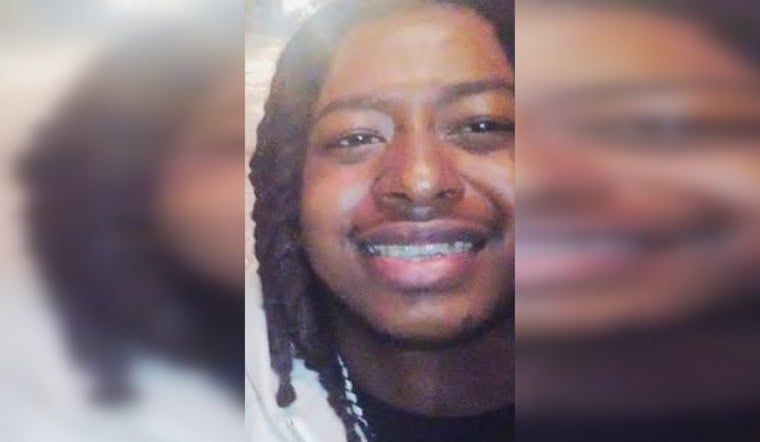
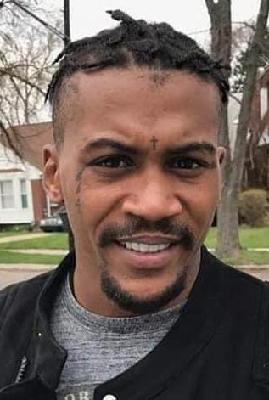
Lawrence Dryden, a 30-year-old Black man from Detroit, Michigan, died and left behind a silence that doesn’t fit neatly into any paragraph. Even without the particulars of where his final hours unfolded or what the city sounded like around him that day, his name alone carries the weight of a life that mattered—one that held routines, relationships, and ordinary moments that suddenly became unbearably precious in hindsight.
Detroit is a place built on movement: work shifts beginning
before sunrise, corner stores buzzing with familiar faces, neighborhoods stitched together by stories passed down on porches and in kitchens. In that kind of city, a person isn’t just a name. He’s someone’s friend who showed up when it counted, someone who could make a room feel lighter, someone whose voice was part of the everyday soundtrack of family and community. When Lawrence died, the loss would not have stayed contained to a single address or a single circle. It would have traveled—through phone calls made with trembling hands, through stunned pauses, through the quiet disbelief of people trying to understand how someone can be here one moment and gone the next.
There’s a particular cruelty in a death that leaves questions hanging in the air. It forces loved ones to live in two timelines at once: one where they remember him alive, vivid, and real, and another where they replay the emptiness of what follows. Grief becomes a daily negotiation—between wanting to keep moving and feeling as if moving is a betrayal; between speaking his name to keep him present and fearing the ache that comes with it. Birthdays, holidays, even simple errands can become reminders, because the world continues in ways it shouldn’t, while the people who loved him are left carrying an absence that doesn’t shrink just because time passes.
In moments like these, what endures is not a list of facts but the human truth beneath them: a life ended, a family changed, a community marked. Lawrence’s story, as limited as the details may be here, is still a story of someone who belonged—someone whose place at the table is now a painful gap, someone whose laughter, habits, and presence are now recalled with a tenderness that can break your heart. The people who knew him would remember the small things most: the way he greeted them, the way he moved through familiar streets, the way his choices and hopes shaped the days around him.
If there are answers—if there are people who know what happened, if there are steps that could bring clarity—those answers matter not for the sake of curiosity, but for the dignity of a life and the peace of those left behind. Because mourning is already hard enough without uncertainty sharpening every edge. And even when the details are scarce, the meaning remains: Lawrence Dryden lived, he was loved, and his death deserves to be acknowledged with the seriousness and compassion that every human life deserves.