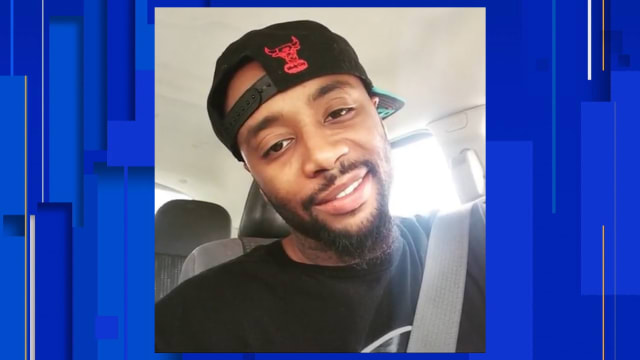
Kenneth Kelly, 38, a Black/African American man from Detroit, Michigan, died in a homicide, but the publicly available reporting and records that can be found online do not clearly document the circumstances of his killing in a way that pins down where it happened, how it unfolded, or what led up to the violence. His name appears in online references to a fatal incident, yet the trail quickly thins, leaving the story more like a set of unanswered questions than a fully told account.
What can be said from what’s available is that his death was treated as a criminal act rather than an accident or natural loss, the kind of sudden ending that turns an ordinary day into a permanent dividing line—before and after. Beyond that, the details that usually shape a clear narrative in a homicide case—witness accounts, a publicly identified scene, a timeline of events, a weapon, a motive—are not reliably described in accessible online sources.
No publicly verifiable online information could be located that names a suspect or suspects connected to Kenneth Kelly’s killing, and no clear, attributable public record describing an arrest, formal charges, court proceedings, trial outcomes, or convictions in his case was found in accessible online material. In other words, if there was a break in the investigation, it is not reflected in the online sources available for review.
The result is a case that remains opaque in the public view: a man’s life ends violently, and the internet—usually crowded with fragments, headlines, and court updates—offers little more than his name and the fact of his death. Without more publicly released documentation, the central questions remain open: who did it, why it happened, and whether anyone has ever been held to account.