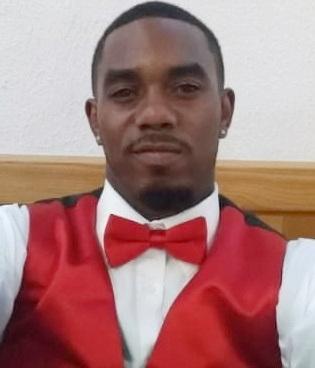
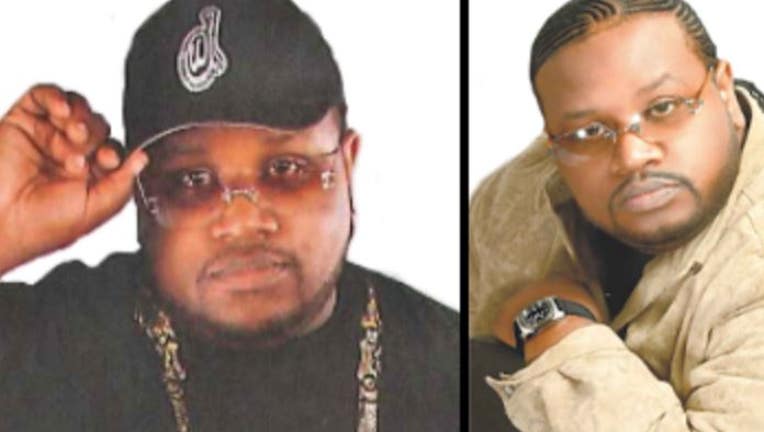
Detroit is a city where tragedies can flare bright in the headlines—or vanish into the background noise of a busy day. Thomas Smith, a 48-year-old man from Detroit, is one of the names that surfaces online without the usual trail of narrative that follows a violent death: no clear public accounting of what happened, no widely circulated report describing where the final moments unfolded, and no official statement that unmistakably ties the name to a specific incident that the public can follow from scene to courtroom.
In the course of reviewing publicly accessible online material, the most concrete official information that reliably exists at city level is the way Detroit catalogs homicide offenses in year-end, victim-based listings for past years—records built around time, location, precinct, and report numbers rather than the kind of identifying details that would let the public connect a victim’s name to a particular case. That gap can leave a family’s loss feeling doubly isolating: a death that is devastating up close, but difficult for outsiders to trace, verify, or understand through public reporting alone.
That absence also means there are no public arrest announcements, named suspects, or clearly attributable court proceedings that can be confidently linked to Smith’s death using online sources. In cases that move into the criminal-justice system, arrests and charges usually generate a paper trail—booking records, prosecutor press releases, hearings, or news coverage that follows the courtroom calendar. Here, that kind of trail doesn’t appear in publicly discoverable reporting connected to Smith by name, leaving the story suspended at the point where most investigations either break open or quietly go cold.
As a result, there is no verifiable public record, in accessible online sources, of anyone being taken into custody for Smith’s death, no publicly reported suspect description that can be responsibly repeated, and no documented charges, trial, or conviction to mark an ending. What remains, online, is the unsettling outline of a life lost without a publicly traceable explanation—an empty space where details should be, and where answers, if they exist, are still held close within investigative files rather than shared in the open.