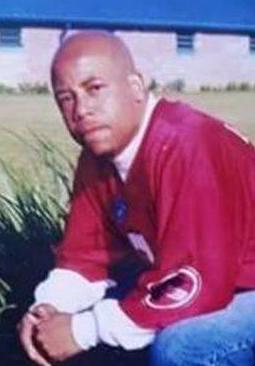
Carlton Sellman was 19, male, and Black / African American when his life ended in Baltimore on November 20, 2010. In the city’s running tally of homicides that year, his name appears among the dead for that date, a young man counted in a season when the days were already shortening and the cold was settling in.
Publicly available listings place the killing at the 400 block of South East Avenue in Baltimore, marking that address as the point where the violence found him and where the
city’s record fixed the moment in ink. Beyond that stark coordinate—name, date, age, location—the public trail thins quickly, as if the story is forced to stand at the curb and go no farther.
In the sources that surface in broad public search, there is no clear, reportable chain of accountability: no widely documented arrest announcement tied to his name, no identified suspect described in an official public brief, no charging documents or trial coverage that reliably connects to this homicide in accessible reporting. What remains, at least in what can be found openly, is the outline of a case that appears to have lingered without a publicly visible resolution—one more death that could be named, but not publicly closed.