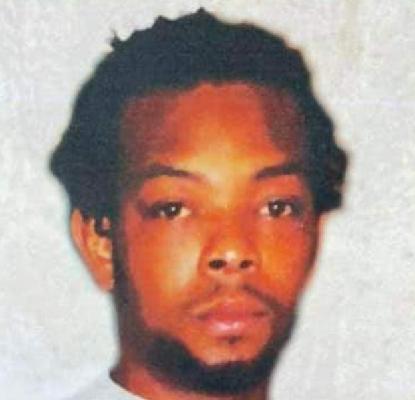
Jameel Williams, 37, is described in some corners of the internet as a Baltimore, Maryland man whose life ended violently, but the public record is frustratingly thin: in widely circulated, open-source compilations of Baltimore City’s 2015 homicides, the final listed killing of that year on December 31 is attributed to a different victim, creating an immediate conflict that can’t be reconciled from the available reporting.
That conflict matters, because it changes everything that would normally anchor a clear narrative—where he was found, how investigators believed the killing unfolded, whether there were witnesses, and what early leads detectives pursued. With no consistent, independently verifiable account tying Jameel Williams to a specific Baltimore homicide incident in the accessible sources, the story of his last hours can’t be responsibly reconstructed from what’s publicly available.
What can be said with confidence is what isn’t there: no accessible, corroborated public reporting surfaced that identifies a named suspect, announces an arrest, or describes charges, court hearings, or a conviction connected to the death ascribed to Jameel Williams in Baltimore. In cases where an arrest happens, it tends to leave a trail—booking details, charging documents, court dockets, press releases, or at least follow-up coverage—but that trail was not present in the sources available here, leaving the case status unknown from open reporting alone.