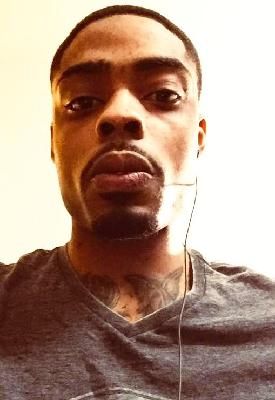
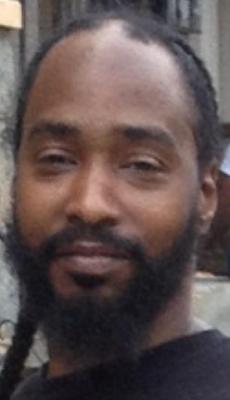
In the spring of 2017, the life of 30-year-old Andrew Jackson, a Black male from Baltimore, Maryland, was cut short. On the evening of March 13th, in the Sandtown-Winchester neighborhood, a community grappling with the persistent specter of violent crime, shots rang out on Retreat Street. When the sound faded, Andrew Jackson was left with fatal gunshot wounds.
The year 2017 was a particularly violent one for Baltimore, with the city experiencing a significant surge in homicides.
Jackson's death was another grim statistic in a year that would end with one of the highest murder rates in the city's history. The prevalence of firearms in neighborhoods struggling with economic hardship created a climate of fear and insecurity for many residents.
Despite the gravity of the crime, the investigation into Andrew Jackson's murder quickly encountered obstacles that were all too common in the city. The Baltimore Police Department struggled to find individuals willing to come forward with information. This, combined with a general sense of mistrust between the community and law enforcement, hampered their ability to make significant progress in the case.
As a result, no suspects were ever publicly identified, and no arrests have been made in connection with the shooting. The case, like many others in Baltimore from that period, remains unsolved, leaving a family without answers and a community still searching for justice. Andrew Jackson's death stands as a stark reminder of the challenges that continue to face the city in its efforts to curb violence and build safer neighborhoods for its residents.