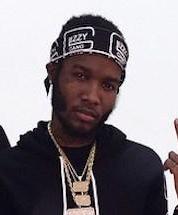
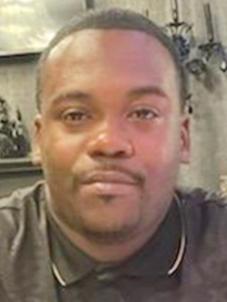
On a grim Wednesday morning in South Baltimore, the life of Theodore Dashawn Pigford, a 26-year-old male, was violently cut short. It was September 6, 2017, when police responded to a call in the Brooklyn neighborhood. In an alley tucked away in the 4200 block of Audrey Avenue, they found Pigford's unresponsive body, riddled with multiple gunshot wounds to his torso. Medics who arrived at the scene could do nothing for him, and he was pronounced dead right there in the alley.
The sterile environment of the crime scene stood in stark contrast to the vibrant life Pigford had lived.
Known in the Washington D.C. area's rap scene as '30 Glizzy,' Pigford was a member of the 'Glizzy Gang,' a hip-hop collective that had gained a following in the region. His music often depicted the harsh realities of street life, a world he was tragically unable to escape. News of his death sent ripples through the local music community, with fans and fellow artists taking to social media to express their grief and shock. His attorney remembered him as a 'nice young man with a promising career,' a sentiment that highlighted the profound loss of potential.
Despite the public nature of his persona, the investigation into Theodore Pigford's murder has been shrouded in silence. In the years that have passed since his killing, there has been no official word from the Baltimore Police Department regarding any arrests or the identification of any suspects. His death was mentioned in a separate homicide trial, where it was suggested that his murder may have served as a motive for a retaliatory killing. However, this connection has not led to any breakthroughs in his own case, which remains cold. The story of Theodore Pigford's untimely death is one of a promising life extinguished too soon, with the quest for justice for him and his family remaining unfulfilled.