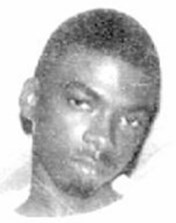
Gary Lewis, 31, was a Black man from New Orleans whose life ended in violence on May 6, 2010, a date that still sits like a bruise on the city’s calendar. In the early hours of that morning, police were drawn into a neighborhood where the night’s silence had been broken by gunfire, and another name would be added to the roll of people who never made it home.
Publicly available summaries place the killing in the Seventh Ward area, describing him as being fatally shot around 2:30 a.m.
in the 1900 block of Pauger Street. A separate public record entry tied to the case lists an incident location at 1849 Marais Street, also in New Orleans, within the same general section of the city’s old grid of narrow streets and close-set homes. However it is mapped, what remains consistent is that the case was treated as a homicide and attached to the New Orleans Police Department, with the details of what led up to the shooting left unreleased or unconfirmed in the public-facing record.
In the aftermath, the official trail visible to the public offers no named suspect, no described motive, and no announced breakthrough. The case appears in an unsolved status listing, with the suspect field marked unknown and no public indication of arrests, charges, or court proceedings tied to the killing. Whatever detectives may have learned behind closed doors, it has not crystallized—at least in the sources available—into a public accusation that would carry the story into a courtroom.
Away from the crime-scene coordinates and case labels, the record of his death continues in the quieter language of family and farewell. An obituary published in The Times-Picayune reported his passing on May 6, 2010, and described homegoing services held the following week at Prince of Peace Lutheran Church, with interment at Mount Olivet Mausoleum, naming loved ones who were left to carry memories forward. It’s a jarring contrast: a violent ending documented in sparse, unresolved terms, and a community trying to stitch meaning back together through mourning rites and gathered voices.