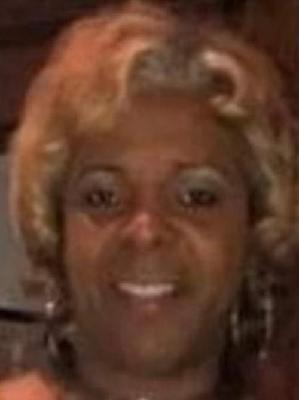
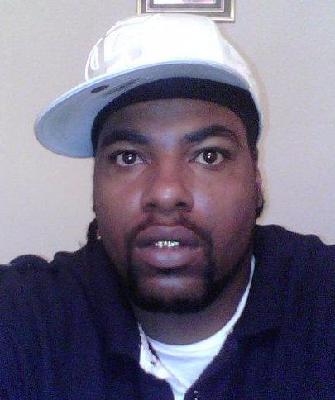
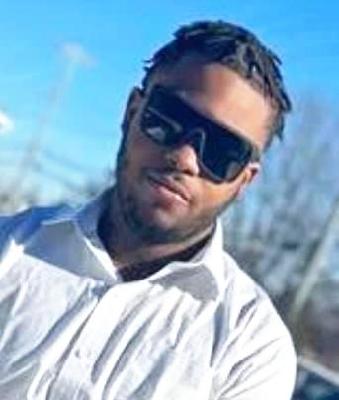
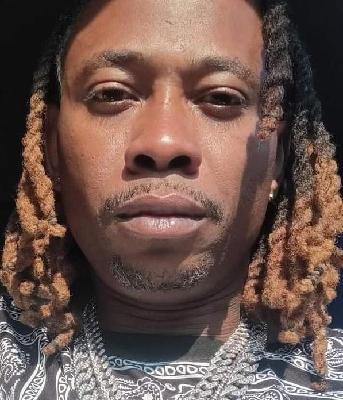
Do you know who murdered Dwayne Mangrum? On the afternoon of July 14, 2019, in Louisville, Kentucky, 51-year-old Dwayne Mangrum, a black man, was found dead inside an apartment at 1137 South 17th Street, Apartment 13, in a building along the 1100 block of South 17th Street in the city’s California neighborhood near California Park. Louisville Metro Police officers responded to the address and discovered two victims inside an upstairs apartment of the multi-unit property, a man and a woman, both already beyond help by the time first
responders arrived. Investigators quickly determined that the pair had died by unnatural means, and the scene was treated from the outset as a double homicide rather than an accident or medical emergency.
Outside, flashing lights and yellow tape drew neighbors from their homes into the summer heat. California is a neighborhood that has seen more than its share of violence, and residents told local reporters that they had watched crime scene tape go up on that block more than once already that year. People gathered on sidewalks and balconies around the 1100 block, looking toward the brick apartment building where Mangrum and the female victim had been found. From the street, bystanders could see officers moving in and out of the doorway and along the stairwells, slowly working their way through the apartment while detectives photographed the interior and canvassed the area for anyone who might have heard or seen something in the previous day.
The timing of the crime added to a sense of dread. That Sunday was already a violent day in Louisville; by evening, the double homicide on South 17th Street and a separate killing on Simmons Court meant three people had been slain in the city within roughly twenty-four hours. Tweets from local journalists covering the scene noted the clustering of violence and the growing fatigue among residents who felt that deadly incidents were becoming a grim routine rather than rare shocks. Neighbors near California Park spoke of hearing sirens yet again, of children being kept indoors, and of the way each new homicide renewed old grief for families who had already lost someone.
Inside the apartment, detectives focused on reconstructing Mangrum’s final hours. Louisville Metro Police later summarized the case in their public gallery of open homicides, noting his full name, age, race, the exact address of the scene, and the date of the killing, placing him among the unresolved murders of 2019. Public records describing local cold cases list him as having been murdered at that location on July 14, 2019, under the jurisdiction of Louisville Metro Police, but do not disclose further details about the specific method or weapon used. The official materials emphasize that his death was a homicide yet leave many of the finer points of the attack sealed within investigative files.
As the days and then years passed, no major public update emerged to suggest a clear break in the investigation. Louisville Metro Police continued to list Mangrum’s killing among their open homicides, a signal that, at least in the public record, no one had been arrested or charged in connection with his death. There have been no widely reported announcements naming a suspect, no press releases describing an indictment, and no news coverage of a trial tied to the double homicide on South 17th Street from that summer day in 2019. In the absence of such developments, Mangrum’s case remains officially unsolved, a lingering entry on the city’s roster of open murders, with the hope that someone who saw or heard something might someday come forward to help identify the person or people responsible.