

Unclaimed Deceased Persons: A Family Search Guide
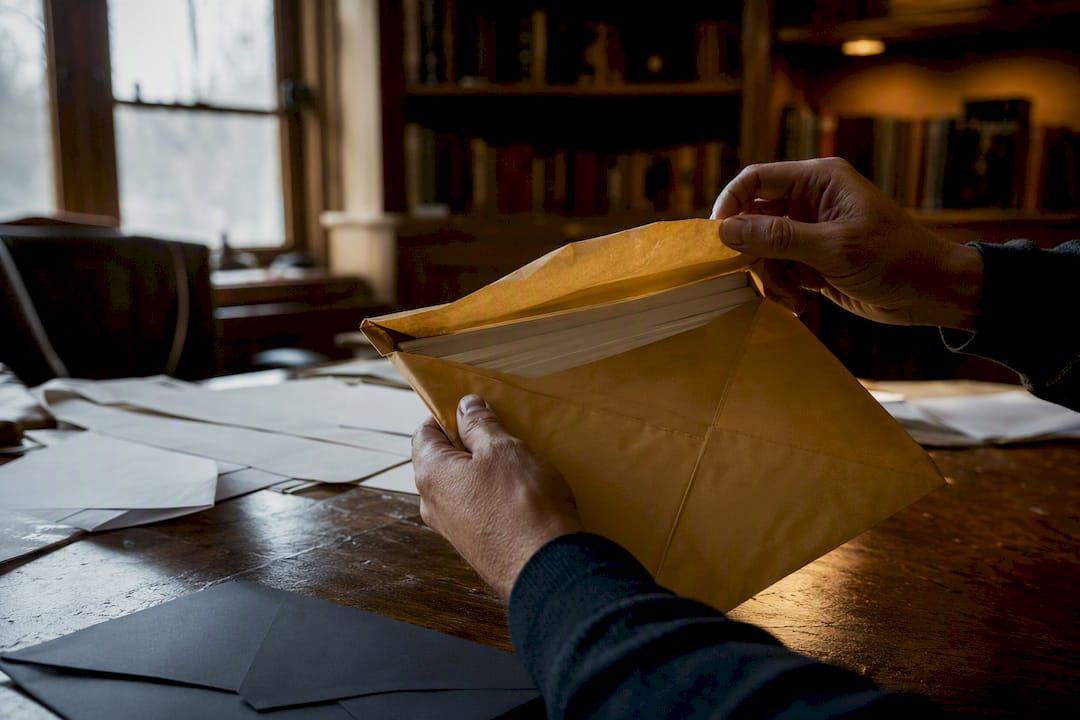
If you’re trying to locate information on unclaimed deceased persons, start with two searches today: NamUs for unidentified or unclaimed decedents, and your state’s unclaimed property database (often through MissingMoney.com) for financial assets left behind. Both are free, both are official, and both can move fast once you have the right paperwork in hand.
Before you contact any agency, gather a certified death certificate, a photo ID, and proof of your relationship to the deceased, or probate documents if you’ve already been appointed as an estate representative. For a detailed checklist of the important papers aging parents need, see this family guide.
Do this in the next hour:
- Search NamUs by name, approximate age, and last known location.
- Run a search on your state’s unclaimed property portal using every name variant you can think of.
- Pull the certified death certificate, or request one from vital records if you don’t have it yet.
- Locate one additional document proving your relationship (birth certificate, marriage license, or probate paperwork).
- Write down every search you run, with the date and result, so you don’t repeat work later.
Key Takeaways
Finding unclaimed deceased persons or their assets requires combining NamUs, state unclaimed property portals, and federal asset locators with a documented paper trail and proper legal authority.
| Point | Details |
|---|---|
| Search NamUs first for people | Use it for unidentified remains or long-term missing relatives, not financial assets. |
| Search MissingMoney and state portals | Check every state where the deceased lived, worked, or banked, not just their last address. |
| Gather legal authority early | Letters Testamentary or a small-estate affidavit opens far more doors than a death certificate alone. |
| Log every search | Track database, date, and result to avoid repeating work across multiple states. |
| Explore deeper case resources | Crime Solvers Central’s Cold Case Database by State offers community tools once official searches are underway. |
Table of Contents
- What Are the Best Databases for Unclaimed Deceased Persons?
- How Do You Search for Unclaimed Assets Step by Step?
- How Do You Claim Assets for a Deceased Person?
- What Should You Do If You Find a Possible Match to Unidentified Remains?
- What Assets Do Families Commonly Miss?
- What Privacy and Consent Rules Apply to Deceased Persons’ Records?
- How Do You Start Probate If No Will Exists?
- Why a Methodical Search Beats a Quick Google Search
- How Crime Solvers Central Can Help Your Search
- Sources
- FAQ
What Are the Best Databases for Unclaimed Deceased Persons?
No single database covers everything. That’s the first thing families get wrong, and it costs them time. You’re combining forensic identification tools with financial asset locators, and each one covers a different slice of the puzzle.
NamUs (National Missing and Unidentified Persons System) is the place to start if you’re searching for a person, not a bank account. It’s a free, secure clearinghouse run by the Department of Justice that holds records on unidentified remains and long-term missing persons. Medical examiners, coroners, and law enforcement use it, but families can search it directly too. NamUs also offers free forensic services, including DNA collection kits, forensic odontology, and fingerprint analysis, to help match a missing relative to unidentified remains.
MissingMoney.com (run through NAUPA, the National Association of Unclaimed Property Administrators) and individual state unclaimed property portals hold financial assets: dormant bank accounts, uncashed checks, forgotten stock dividends, insurance payouts. You search by name and last known address, and most states let you file a claim online once you find a match.
Beyond those two, a handful of federal and specialized registries fill in the gaps:
- Pension Benefit Guaranty Corporation (PBGC): unclaimed pension benefits from terminated defined-benefit plans.
- U.S. Department of Veterans Affairs (VA): unclaimed veteran benefits and burial allowances.
- U.S. Courts Unclaimed Funds Locator: money left over from federal bankruptcy or civil cases.
- FDIC and NCUA: deposits from failed banks and credit unions.
- Social Security Administration (SSA): holds death records, but public access is limited by law.
Pro Tip: If you’re not sure which asset type you’re chasing, start broad with MissingMoney.com. It aggregates most state unclaimed-property databases into one search, and it takes about the same amount of time to search as a single state portal.
How Do You Search for Unclaimed Assets Step by Step?
Skipping the paper trail is the single most common reason families miss assets that a methodical review would have caught. Online sweeps are fast, but they only find what’s already been reported to a state or federal registry. Paper records tell you where to look in the first place.
- Start with paper. Pull two or three years of tax returns. The 1099 forms name every bank, brokerage, and employer that paid the deceased, and each one is a lead.
- Check NamUs if the person’s whereabouts, not just their assets, are in question.
- Search every state where they lived, worked, or held accounts. Unclaimed property is held by the state where the paying institution is based, not necessarily where the person died.
- Use name variants. Search maiden names, middle initials, nicknames, and any name changes from marriage or legal action.
- Follow the specialized registries (PBGC, VA, FDIC/NCUA) if the paper trail points to a pension, military service, or a bank that later failed.
Keep a simple search log: date, database, search terms used, and result. A basic spreadsheet with four columns works fine. Multi-state searches get confusing fast, and without a log you’ll end up rerunning the same query on three different Tuesdays.
Pro Tip: Count the number of states where your relative held a job or lived for more than a year. That’s roughly how many state unclaimed-property portals you need to check, since assets tend to sit in the state tied to the account, not the person’s last address.
How Do You Claim Assets for a Deceased Person?
Who can file depends on your state, but the general order runs: the court-appointed executor or personal representative first, then heirs in the priority order set by state intestacy law, and in limited cases, someone who paid funeral expenses out of pocket.
Every agency wants proof you have the legal right to act, not just proof that you’re related. The core documents almost every claim requires:
- Certified death certificate (not a photocopy).
- Proof of legal authority: Letters Testamentary, Letters of Administration, or a small-estate affidavit if the estate qualifies under your state’s threshold.
- Government-issued photo ID.
- Proof of relationship (birth certificate, marriage certificate, or probate court order).
- Taxpayer ID or Social Security number for the deceased.
Timelines vary widely by state, and dormancy periods differ too. Ohio, for example, holds more than $4 billion in unclaimed funds with no expiration date on claims. Most states hold property indefinitely once it’s reported. That’s actually good news: there’s rarely a deadline you can miss.
Claims get rejected for predictable reasons: an expired or uncertified death certificate, a small-estate affidavit filed in a state that doesn’t allow it for that asset size, missing notarization, or a name mismatch between the claim and the account records. A straightforward single-state claim, with clean paperwork, typically resolves in a few weeks to a few months. If a claim comes back, call the claims examiner directly and ask exactly what’s missing before resubmitting.
What Should You Do If You Find a Possible Match to Unidentified Remains?
Finding a NamUs entry that matches your missing relative is not the finish line. It’s the start of a verification process, and you shouldn’t try to shortcut it.
- Contact NamUs directly through the case entry, or call the medical examiner or coroner’s office listed on the record.
- Do not attempt to claim remains before official identification is confirmed. There’s a legal process here, and skipping it creates problems for everyone involved, including you.
- Provide what investigators ask for: family reference DNA samples, dental records, X-rays, or photographs that support identification.
NamUs offers all of this at no cost. Its forensic services include DNA collection kits, forensic odontology, fingerprint analysis, and forensic anthropology support, and its Analytical Division can help locate other family members for comparison samples.
- Keep originals of medical and dental records; provide copies when asked.
- Note who you spoke with and when at the ME/coroner’s office.
- Loop in local law enforcement if the case involves a long-term missing-person report.
Pro Tip: Ask the medical examiner’s office for a case number at first contact, and reference it every time you follow up. Cases can sit with multiple staff, and a case number cuts the back-and-forth in half.
What Assets Do Families Commonly Miss?
Old employer pensions rank at the top of the missed-assets list, followed by uncashed checks, stock dividends never claimed after a company merger, and small retirement accounts from a job held decades ago. Safe-deposit box contents get overlooked too, especially when nobody knew the box existed until they found the key in a drawer.

Check the PBGC locator for pensions from a terminated plan. Check MissingMoney.com for dividends and uncashed checks. If the deceased banked with an institution that later failed, the FDIC or NCUA may still hold the deposit, though statutory time limits can affect what’s recoverable. And don’t skip the shoebox of old mail. Correspondence from insurers or brokerages is often the only clue that an account exists at all.
What Privacy and Consent Rules Apply to Deceased Persons’ Records?
Death does not erase every privacy protection, and that surprises a lot of families. The Social Security Administration, for instance, compiles death reports from multiple sources but releases its full death data file only to authorized federal or state agencies under section 205® of the Social Security Act. You cannot request the complete file as a private individual, and agencies that do get access typically need a formal agreement and often reimburse SSA for the data exchange.
That restriction exists for a reason: death records intersect with fraud prevention, benefits administration, and ongoing law enforcement matters. What this means practically is that some record requests will bounce back to you with a request for legal authority, even when your intent is entirely legitimate.
Banks and insurers apply similar caution. A death certificate alone often isn’t enough to get substantive account information; most institutions want to see Letters Testamentary or Letters of Administration before they’ll confirm anything beyond whether an account exists. Medical examiner and coroner offices operate under their own state-specific rules about what they can share with family members versus law enforcement, particularly in active investigations.
The practical takeaway is simple: get your legal authority documents in order early. A probate court appointment or a valid small-estate affidavit opens far more doors than a death certificate on its own, and it saves you from repeat requests to the same office.
How Do You Start Probate If No Will Exists?
Dying without a will, called dying “intestate,” doesn’t stop the estate process. It just means state intestacy law decides who inherits, instead of a document the deceased wrote themselves.
Start by filing a petition for administration with the probate court in the county where the deceased lived. You’ll typically need the death certificate, a list of known heirs, and an inventory of known assets, even a rough one. The court appoints an administrator, usually the closest eligible relative who’s willing and able to serve, and issues Letters of Administration once that appointment is confirmed.
Many states offer a simplified path for small estates. If the total value falls under your state’s threshold, often somewhere between $20,000 and $184,500 depending on the state, you may be able to file a small-estate affidavit instead of opening full probate. That skips months of court process for straightforward cases with few assets and no disputes.
If heirs disagree about who should administer the estate, or if the estate holds significant real property, expect a longer court timeline. Either way, the administrator or personal representative becomes the person with legal standing to pursue unclaimed assets, request records from banks and insurers, and file claims with state unclaimed property offices. Without that appointment, you’re stuck describing what you’re looking for rather than actually retrieving it.
Why a Methodical Search Beats a Quick Google Search
Families searching for unclaimed deceased persons or lost assets almost always start with a single search engine query, and almost always stop too soon. Crime Solvers Central exists because official databases work, but only when someone walks through them in order. NamUs, state portals, and federal locators are free. The methodical part is what most searches skip.
How Crime Solvers Central Can Help Your Search
Official databases handle claims and identifications. Crime Solvers Central handles what comes next, and what often gets overlooked: connecting families to a wider community researching cold cases, sharing tools like digital evidence boards and a flyer builder, and organizing volunteer support around cases that state agencies don’t have staff to revisit constantly.
If a search points you toward a possible cold case connection, or you simply want deeper context on unidentified-persons cases in your state, the Cold Case Database by State lets you browse categorized case files and, with membership, access full case details, forums, and investigative resources. It’s not a substitute for NamUs or your state’s unclaimed property office. It’s a place to keep building the search once the official channels have given you what they can.
Membership won’t release funds or confirm an identification. Those decisions stay with state unclaimed-property offices, NamUs, and medical examiners, exactly where they belong. What membership gives you is a community and toolset for the parts of a search those agencies were never built to support.
Start by browsing the state case listings to see what’s already documented near you.
Sources
- Usa
- NamUs: National Missing and Unidentified Persons System
- Recovering Unclaimed Funds for Deceased Property Owners | Ohio Department of Commerce
- Request the full file of death information | Social Security Administration
- Finding a Deceased Person’s Assets and Unclaimed Property | Observed
FAQ
Can You Claim Unclaimed Property for a Deceased Person?
Yes, if you can prove legal entitlement, typically through a certified death certificate plus proof of authority such as Letters Testamentary or a small-estate affidavit.
How Do You Find Out If a Deceased Family Member Left You Money?
Search MissingMoney.com and your state’s unclaimed property portal by the deceased’s name and past addresses, then check specialized registries like PBGC and the VA if a pension or veteran benefit might apply.
Is There a Database for Unidentified Bodies?
Yes, NamUs is the national clearinghouse for unidentified remains and long-term missing persons, and it offers free forensic and DNA-matching services to help with identification.
How Long Can Property Stay in a Deceased Person’s Name?
It varies by state, and many states, including Ohio, hold unclaimed property indefinitely with no deadline for heirs to file a claim.
What’s the First Database Families Should Check When Searching for Unclaimed Deceased Persons?
Start with NamUs if you’re searching for a person, and MissingMoney.com if you’re searching for financial assets, since each covers a different category entirely.