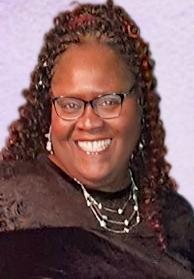
The homicide of Barbara Flowers, a 43-year-old woman, occurred in Chicago on March 16, 2007. Flowers' death adds to a long list of homicides that have shaped Chicago's history. According to the data available from the Chicago Police Department's Citizen Law Enforcement Analysis and Reporting (CLEAR) system, Chicago has seen numerous incidents like this that reflect the ongoing violence in the city. The homicide data is systematically recorded to provide insight into crime patterns, although exact details are often limited to preserve the privacy of victims and their families.
Reports on the homicide indicate that Barbara Flowers was one of the many victims of violent crime in Chicago during that period, an era marked by increased crime rates in several neighborhoods. The city's data portal, which maintains detailed records of reported crimes, including homicides, suggests that incidents like Flowers' are part of a broader trend of violence affecting various communities. The information available does not specify exact locations or many personal details about victims like Flowers, reflecting efforts by authorities to maintain confidentiality while providing public data for research and policy-making purposes.
The circumstances of Flowers' death were likely documented in police records that contribute to the homicide statistics maintained by the city. However, as is typical for these kinds of data repositories, specific causes, investigative details, or other narrative elements are not publicly accessible. The data instead provides a high-level overview, useful for understanding trends in violence but limited when it comes to individual stories. The Chicago Police Department updates these records regularly, and they play a role in informing public safety initiatives across the city.