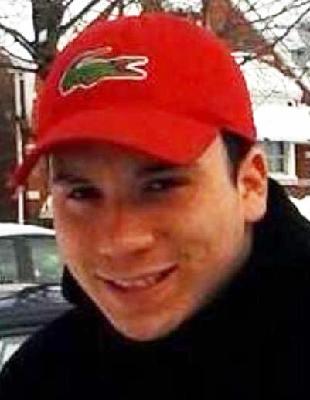
Martin Segura, a 22-year-old man from Chicago, was killed on December 15, 2007, in a fatal shooting that reflected the broader wave of violence that engulfed the city at the time. The incident occurred during a year marked by persistently high homicide rates in Chicago. By 2007, the city experienced a total of 443 homicides, a grim testament to the ongoing struggle with violence in several high-risk neighborhoods. Segura's death was part of a larger narrative of crime that targeted predominantly young men, many of whom were Hispanic or African American, and often linked to gang conflicts or disputes over territory.
The year 2007 saw Chicago continuing to struggle with concentrated violence, particularly in neighborhoods on the West and South sides of the city. Areas like Englewood, West Garfield Park, and other community areas experienced some of the highest rates of homicides per capita. These regions were characterized by a lack of resources, high levels of poverty, and extensive gang activity, all of which contributed to the consistently elevated risk of violent death. West Garfield Park, for example, was noted to have some of the highest rates of homicide per 100,000 residents from 2007 to 2015, underscoring the enduring danger that individuals like Segura faced simply by living in such areas.
Despite law enforcement's efforts to mitigate violent crime, the challenges were compounded by a pervasive "no-snitch" culture that discouraged community cooperation with police investigations. This dynamic made solving homicides like that of Martin Segura particularly difficult, as residents were often reluctant to provide information to authorities due to fear of retaliation or mistrust in the police. As the violence continued, it affected not only those directly involved but also left lasting impacts on the communities, including stress and trauma that affected children and families living in these high-risk areas.