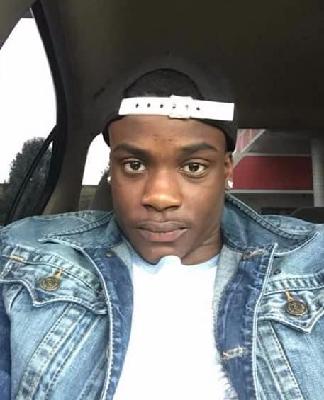
Randy Cedeno, a 20-year-old male, was fatally shot on July 19, 2008, in Chicago, Illinois. His homicide occurred during a particularly challenging period in Chicago, a city that was dealing with a high volume of gun violence, particularly affecting young people in marginalized communities. The year 2008 saw significant rates of violent crime across various neighborhoods, with the Chicago Police Department’s records highlighting an ongoing struggle to curb the rise in homicide rates.
Cedeno's death was one among the numerous homicide incidents recorded in Chicago during that time. The city's dataset on murders from 2001 onwards indicates that many of these incidents occurred in high-risk neighborhoods that were already grappling with systemic issues, such as poverty, gang activity, and limited opportunities for youth. Data from the Chicago Police Department’s Citizen Law Enforcement Analysis and Reporting (CLEAR) system reflects the persistence of violence across the city, with most cases involving firearms and often taking place in public spaces like streets or alleyways.
The murder of Randy Cedeno highlights the broader, pervasive challenge of violence in Chicago. The complexity of tackling such crime involves not only increasing policing efforts but also addressing the root causes that lead to such tragic incidents. Community-level interventions and violence prevention programs were much needed, especially in neighborhoods that consistently faced elevated rates of homicides. The tragic loss of young individuals like Cedeno underscores the urgency for both policy interventions and community support initiatives to break the cycle of violence and offer a safer environment for residents.