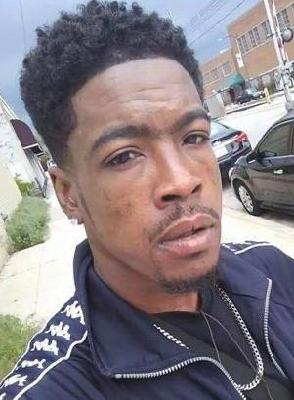
Robert Swearengen, aged 27, was fatally shot on July 21, 2008, in Chicago, Illinois. His death added to a troubling year for the city, which faced significant levels of gun violence, particularly in neighborhoods already grappling with crime and socio-economic challenges. The incident was reported in the broader context of Chicago's ongoing battle with high homicide rates, an issue that continued to affect numerous communities across the city.
During 2008, Chicago recorded many similar incidents of violence, highlighting persistent issues such as gang activity, economic disparity, and limited community-policing effectiveness. These systemic challenges made it difficult for law enforcement to effectively reduce the homicide rate, despite efforts to target crime-prone areas. Robert Swearengen’s homicide was part of a grim pattern that impacted both individuals and families across Chicago, leaving a lasting impact on those neighborhoods where violence was a common occurrence.
Efforts by city officials and law enforcement were often met with limited success, as complex factors like poverty and mistrust of the police hindered broader community engagement. Robert's death underscored the harsh realities of life in parts of Chicago that were often left vulnerable to cycles of violence. The year 2008 was one in which Chicago struggled to contain its homicide rate, as the community continued to demand better safety and stronger preventive measures.