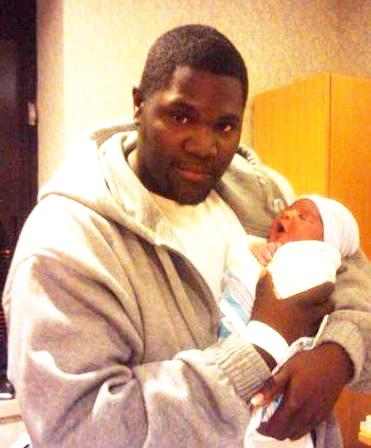
Vladimir Hernandez, aged 18, was fatally shot on September 16, 2008, in Chicago, Illinois. His death was part of a particularly violent year for the city, which experienced more than 500 homicides that year. The details surrounding Hernandez's death fit into the larger narrative of rising violence that plagued Chicago, where a combination of gang activity, socio-economic struggles, and easy access to firearms contributed to the high number of fatalities.
The incident that took Hernandez’s life occurred in a period when Chicago saw substantial numbers of young victims fall prey to gun violence. Hernandez's homicide took place in one of Chicago's more challenging neighborhoods, where issues of crime and violence were aggravated by systemic inequities and limited community resources. His death reflects the vulnerability of young individuals caught in cycles of violence, a trend that law enforcement and local authorities struggled to contain throughout the late 2000s.
Data from the Chicago homicide map shows that incidents like the one involving Hernandez were unfortunately all too common in that era. The city faced immense pressure to address the surging crime rates, particularly in areas heavily affected by gang disputes. Despite increased police presence and various intervention attempts, the challenges persisted, and young men like Hernandez continued to be the primary victims of these tragic episodes. These homicides not only underscored the need for urgent action to prevent violence but also highlighted the deep-rooted issues within some communities that required a more comprehensive, long-term approach.