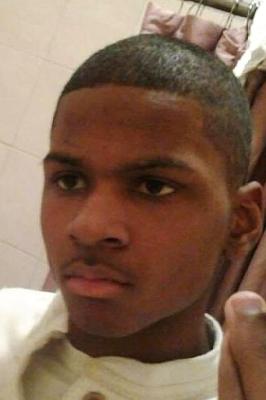
Rodney King, a 24-year-old African American male from Chicago, Illinois, lost his life on September 21, 2008, under circumstances that remain largely unreported in mainstream public records and online databases. Despite the tragic nature of a young life cut short, there is limited public information about this specific individual’s death, distinct from the widely known Rodney Glen King case from Los Angeles.
Nonetheless, based on the limited details available—his age, gender, ethnicity, date, and location of death—we can acknowledge the gravity of this loss and reflect on its implications with the depth and humanity it deserves.
At just 24 years old, Rodney King was a young Black man likely navigating the many complexities of adulthood in a city that can be both vibrant and volatile. Chicago, a city marked by its cultural richness as well as its challenges with crime and systemic inequality, is too often the backdrop for stories like Rodney’s—where Black lives are ended too soon and too quietly. His identity as an African American male in a city with deeply entrenched racial and socio-economic struggles underscores the broader narrative of vulnerability that young Black men face across the United States. While the specific circumstances of his death have not been widely documented, the date and location remain a solemn marker in time, representing a life that once had potential, purpose, and promise.
The fact that there is no readily available online record of arrests, suspects, or further investigation into the death of this young man speaks volumes about the silences that pervade such cases. It raises painful questions about whose lives are deemed worthy of public attention, of media coverage, of justice. The absence of concrete information about arrests or suspects does not lessen the weight of the tragedy—it amplifies it. It reinforces a pattern of erasure, where the victims are remembered by few and their stories lost in the noise of a world that often looks away.
Rodney King, a 24-year-old African American man, should not be forgotten. Though details surrounding his death are elusive, the heartache of losing someone so young is universal. Every life matters, every loss ripples through families, communities, and the collective conscience. The void left by his death is felt even in the spaces where facts are missing. His story, like so many others, is a call to remember, to seek justice, and to continue pushing for a world where the lives of young Black men are not so easily extinguished—or ignored.