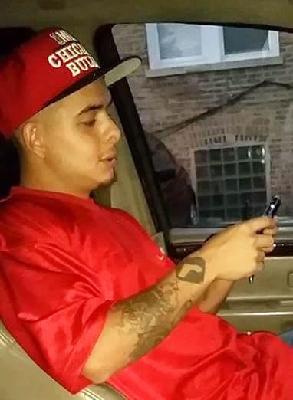
William J. Wesley, a 28-year-old man, was tragically killed in a homicide on October 5, 2009, in Chicago, Illinois. The incident took place in the Burnside neighborhood, a community on Chicago's South Side that has been historically affected by high levels of crime. Wesley was fatally shot in an alley, a detail that underscores the vulnerability of many individuals in areas struggling with systemic violence and inadequate resources.
The Burnside neighborhood, like several other areas in Chicago, faced numerous challenges with gang activity and gun violence, particularly during the late 2000s. Wesley's death was part of a wider pattern of violence in Chicago during that period, which saw numerous homicides across various neighborhoods. The city was grappling with issues of urban crime, with many victims falling prey to gun-related violence. The Chicago Police Department documented Wesley’s death along with many others as part of their ongoing efforts to analyze crime trends and attempt to reduce the homicide rate through increased community policing and targeted interventions.
Wesley's death, along with similar cases during that year, highlights the broader challenges faced by Chicago in terms of law enforcement and community support. The need for a coordinated approach involving both policing and community development became increasingly evident as the homicide rate remained persistently high. Efforts to address these challenges would eventually lead to initiatives focused on improving neighborhood safety through violence prevention programs and collaborations between law enforcement and community leaders.