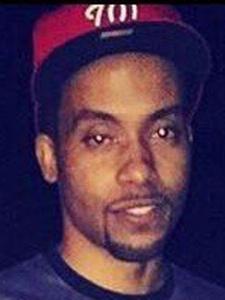
Anthony Bryant, age 40, was a victim of homicide in Chicago, Illinois, on November 27, 2009. Bryant's death adds to the long list of homicides that occurred during a particularly violent period for the city. In 2009, Chicago faced a substantial number of homicides, with the majority of victims, like Bryant, being adult males. Violence during this period was primarily concentrated in certain neighborhoods, often influenced by underlying issues such as gang conflicts, economic hardships, and
disputes that escalated into deadly violence.
The details surrounding Bryant's death fit into broader patterns seen across Chicago at the time. Many homicides were concentrated in areas with high rates of poverty and limited access to social services. It was common for victims to be from neighborhoods plagued by systemic issues that contributed to an atmosphere of heightened risk. Law enforcement data collected from the Chicago Police Department's systems show that these incidents often occurred in public places, and investigations were frequently hindered by a lack of cooperation from witnesses, making solving many cases challenging.
Bryant's homicide is emblematic of the larger problem Chicago faced throughout the 2000s and early 2010s, where high crime rates strained police resources and efforts to reduce violence. During this time, the Chicago Police Department worked to combat the rise in violent crime with various initiatives, but the effectiveness of these measures varied, and the overall homicide rates remained troubling. The community often responded to these incidents with calls for more investment in violence prevention programs and better social support systems to help address the root causes of such violence.
The data regarding homicides like that of Anthony Bryant is recorded in public datasets such as the Chicago Data Portal, which compiles reports from the Chicago Police Department. These datasets aim to provide transparency about the nature of violent crime in the city, although specific details about individual cases, such as exact locations, are often kept general for privacy reasons. The challenges faced by the authorities in addressing homicides during this period reflect the broader complexities of managing urban crime and the need for a multi-faceted approach to reduce the cycle of violence in affected neighborhoods.