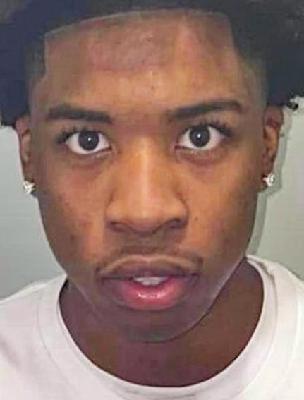
On August 13, 2017, Levon S. Averhart, a 23-year-old from Chicago, was fatally shot in the Uptown neighborhood, an area that has faced significant challenges with violent crime. Levon, also known as "CeeJay," was one of many victims of gun violence in a year where Chicago continued to struggle with high homicide rates despite efforts to curb violence across its neighborhoods. The incident was part of an ongoing trend in Chicago, where gun-related violence affected numerous individuals, particularly young men, throughout the year.
In 2017, the city saw over 650 homicides, which, while lower than the previous year's record numbers, still placed a significant burden on law enforcement and community members trying to combat the causes of this violence. Levon Averhart's death contributed to the sense of loss experienced by many communities that struggled with both the immediate impact of such incidents and the broader, systemic issues underlying the violence.
Efforts to address the violence, including increased police patrols and community programs, saw mixed results, with some areas experiencing temporary decreases in crime but others continuing to see high rates of gun violence. Uptown, where Levon was killed, was known for having a complex mixture of gang activity, economic challenges, and diverse communities living in close proximity, all of which added to the tensions in the area. His death not only represented a personal tragedy but also reflected the ongoing need for effective violence reduction strategies and community support systems to prevent further loss of life.